Kikuyu Land
Andrew H. Brown, Bea Wangondu
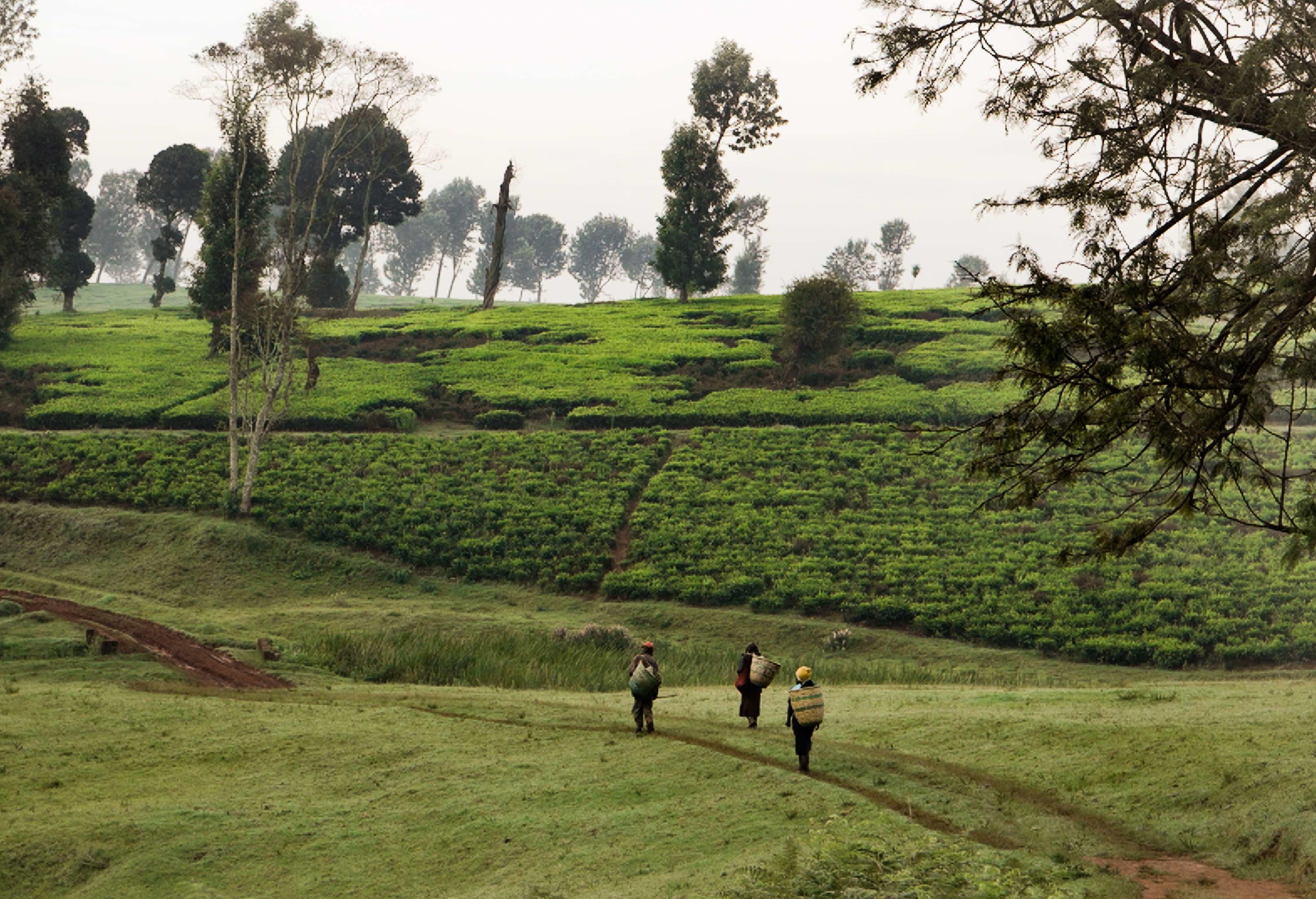
In Kenya’s tea highlands, Mr. Mungai fights to reclaim land seized from his family during colonial rule. As his case against a multinational corporation gains momentum, local news producer Bea Wangondu begins documenting the struggle, exposing how historic dispossession continues to shape the lives and futures of the surrounding community.
During British rule, vast areas of fertile land were taken from Kenyan families. Today, much of that land remains in the hands of multinational corporations running a multi-billion-dollar tea industry. While global profits flourish, many tea workers face low wages, insecure working conditions and limited rights. Families who once owned the land continue to seek recognition and restitution, often encountering systemic resistance.
Alongside Mungai’s legal fight, we meet members of the wider community: Joseph Njenga, born and raised on a tea plantation, who now leads the organisation Better Tomorrow Today advocating for workers’ rights; Stephen, the son of a tea worker, whose childhood unfolds within the plantations at the centre of the dispute; and Jecinta Gathoni, who began working on a plantation as a young girl in 1968.
As Bea’s investigation deepens, she uncovers long-silenced histories, including within her own family. Moving between legal struggle and lived memory, Kikuyu Land traces a community’s determination to reclaim what was lost and asks what accountability looks like when the past refuses to stay buried.
Credits
- Director
- Andrew H. Brown, Bea Wangondu
- Producer
- Moses Bwayo, Mike Morrisroe, Joseph Njenga
- Year
- 2025
- Country of production
- Kenya, United States
- Type
- Documentary
- Duration
- 95 minutes
- Spoken language
- English, Swahili
- Subtitles
- EN
- Production company
- Trifilm Studios