Lidija Zelovic’s Film Route
We asked a few inspiring tastemakers about their must-see picks, so you can enjoy the festival with the best tips and a little extra inspiration. Filmmaker Lidija Zelovic joins us today to share her top picks for this year's festival. 17 March, 2026
Lidija Zelovic is an inspirational storyteller; who’s personal and intimate film essay Home Game took home our Audience Award last year. Born in Yugoslavia and emigrated to the Netherlands a year after the war started, she started to make films to express herself. Within film, Lidija searches for the stories that showcase ordinary people and how the world affects them, what is reflected in her choices today.
-
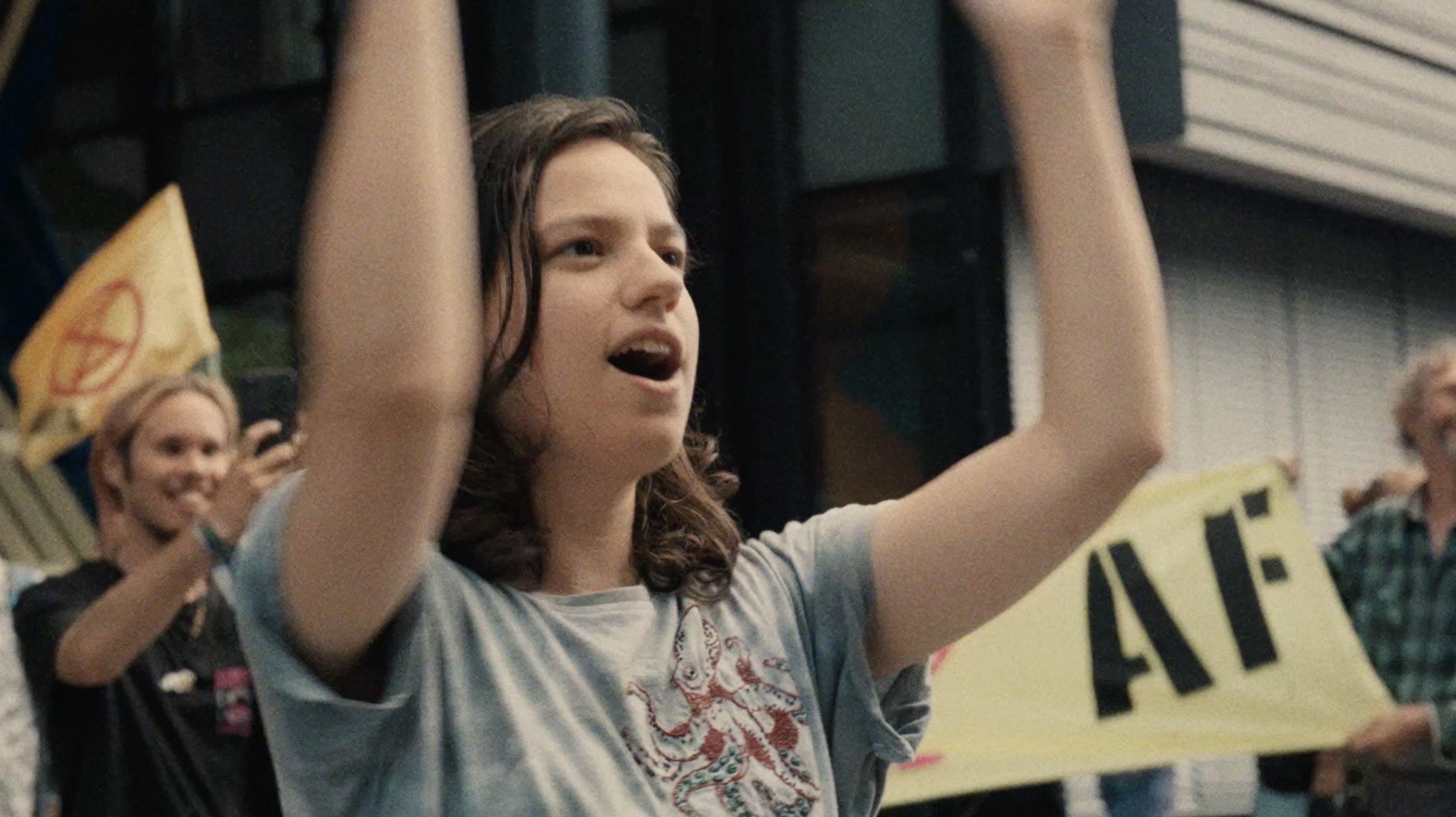
Alles Moet Beter
Dikla Zeidler
What does it mean to be a young person today? I'm super curious about Alles Moet Beter, it highlights how the youth are fighting for so many things in this world that we tend to ignore. In this film, we see the stories of three young people fighting for their basic rights. We often think that the system in the Netherlands works perfectly, but does it really? In times like these, we often hope that someone else will take action, but actually, if we don't do it, no one will.
-
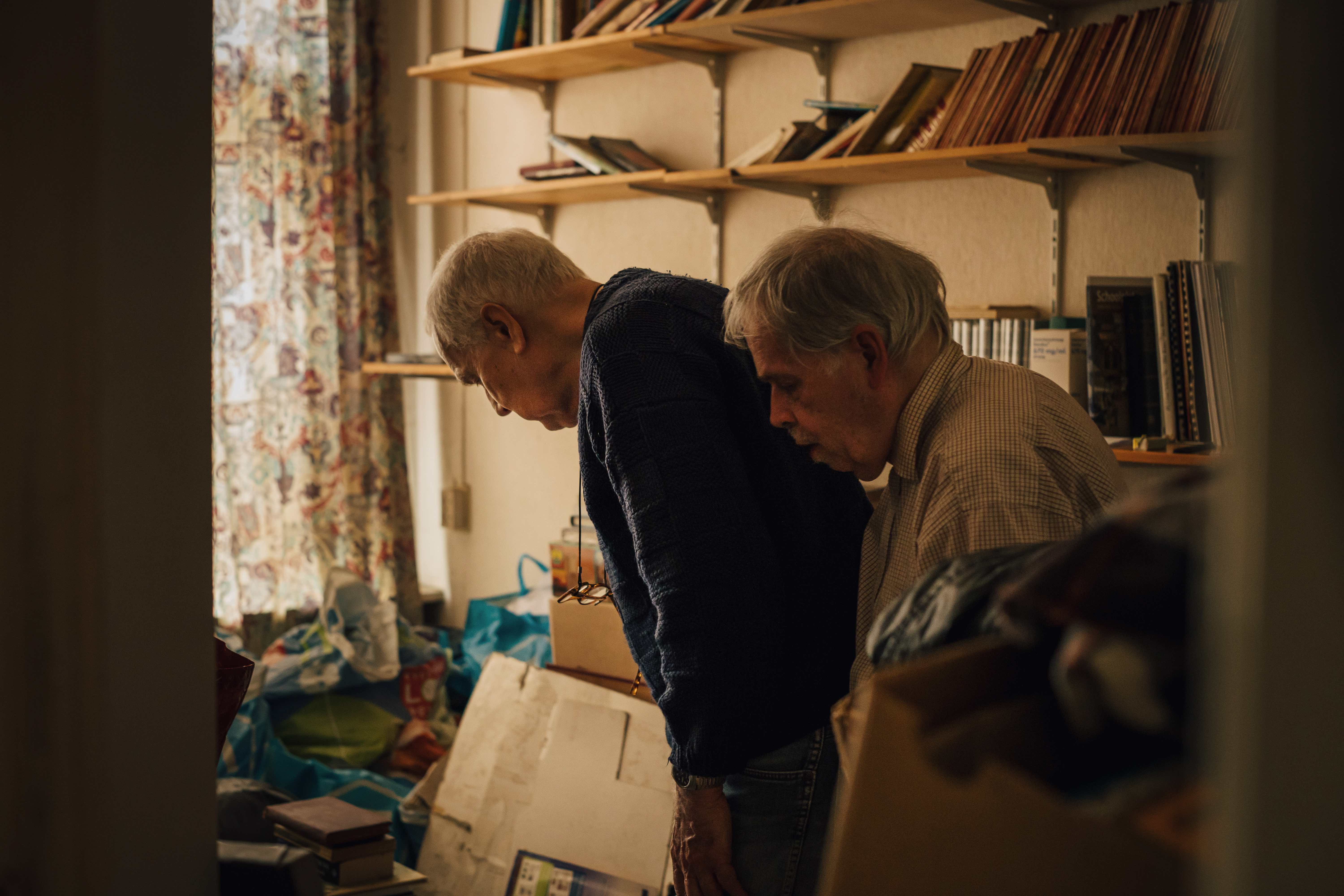
Tussen Broers
Tom Fassaert
I am strongly interested in films that talk about family, even if you can’t relate to one person’s specific family’s dynamics. Tussen Broers acts as a second part to the director’s first film, which focused on his grandmother whilst also exploring larger themes such as the Netherlands’ role in South Africa. The filmmaker shows he can tell a personal story that also reflects a broader historical and global context, and I believe this film will do the same. Films always reflect on where we are as a society, this is why I believe people should watch Tussen Broers, because it is representative of something much bigger than what it appears to be.
-
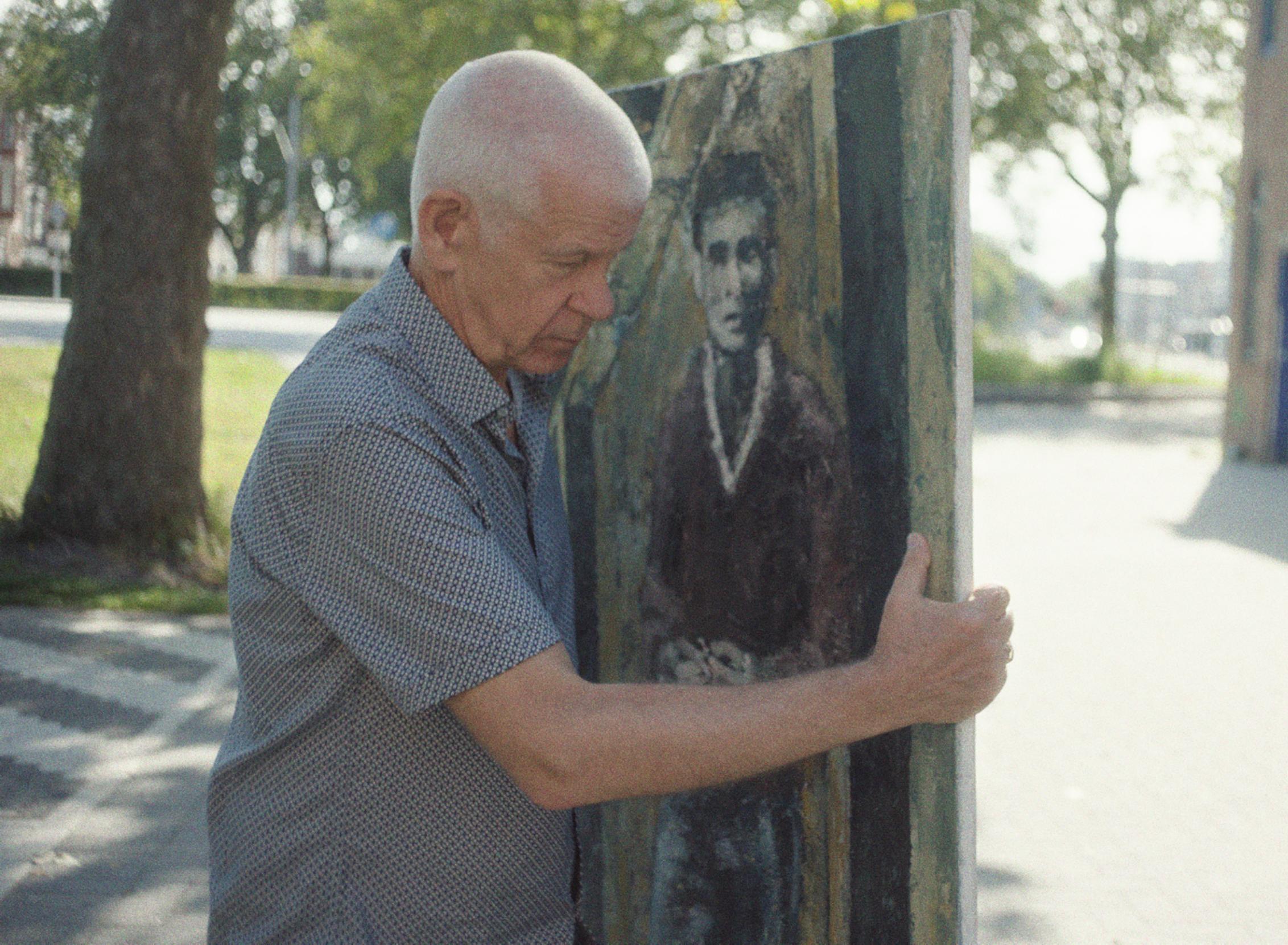
Mijn Broer
Koert Davidse
Mijn Broer captures the filmmaker looking back on what seems his small, personal story, which is actually a story that many others can empathise with. It follows intimately the life of the director’s brother who died of AIDS in 1986. This film stands as a reminder to look back on how far we have come as a society in regard to LGBTQ+ rights, but to not take this for granted. If we compare ourselves to other countries, we appear to be further ahead, but it doesn’t mean to give up fighting. If we don’t keep on fighting, we will fall behind.
-
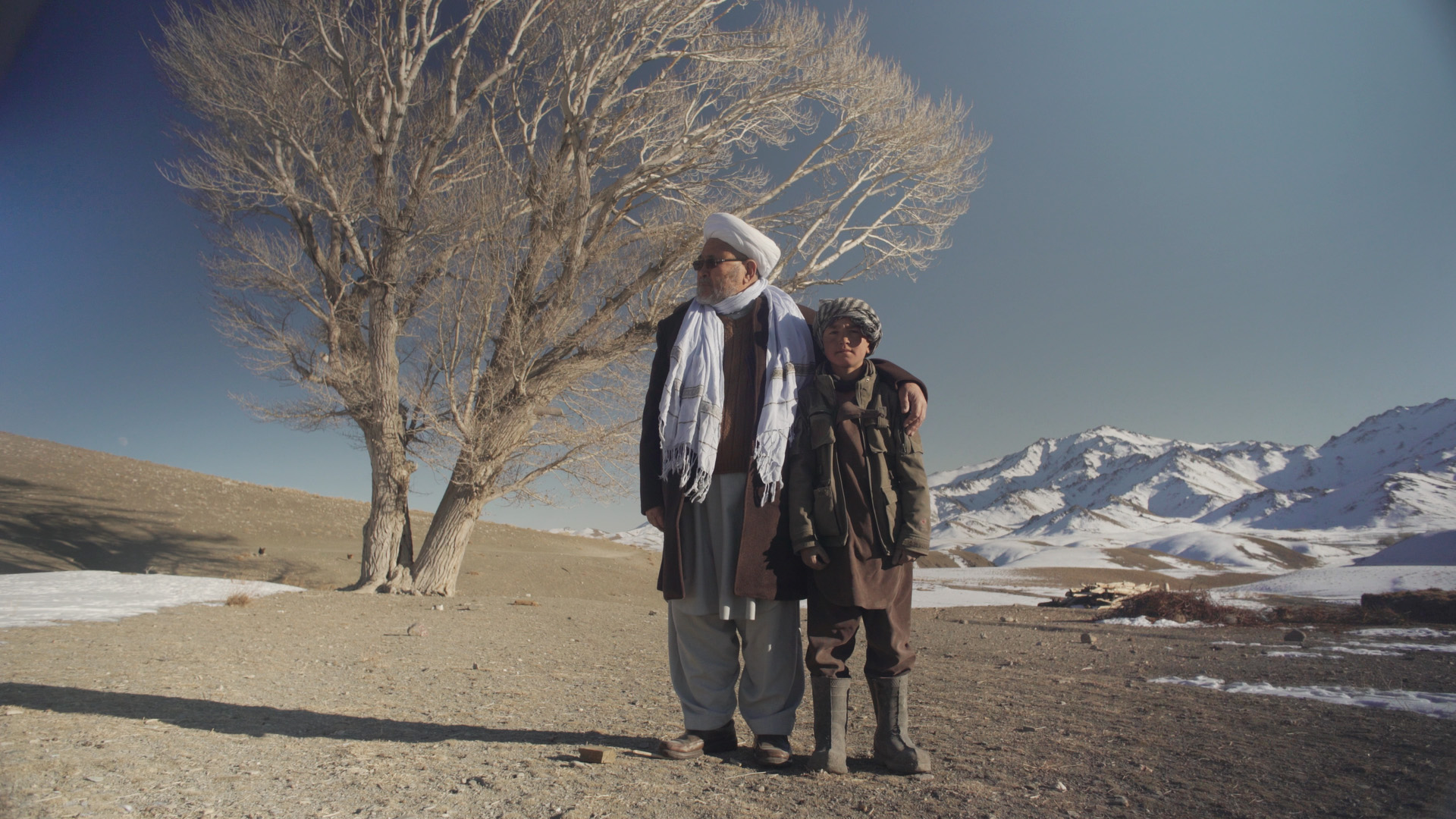
Paikar
Dawood Hilmandi
This film raises deep questions; what does it mean to feel at home? And where can home truly be found? Paikar becomes personal through the lens of the filmmaker who is searching for a better relationship with his father. By first presenting him as a familiar Dutch person, the European audience is brought closer to his story. As the film progresses, it ultimately asks the broader question: what does it mean to live a good life?
Read more
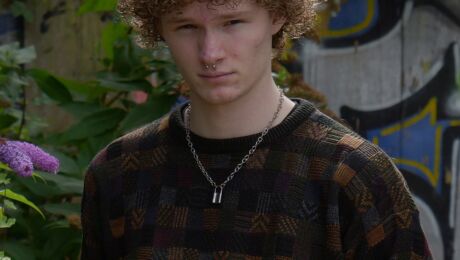
Calvin van Laaren’s Film Route
Struggling to choose during the festival? We've got you covered! We've created a film route with videojournalist Calvin van Laaren from Dutch outlet De Correspondent, with human vulnerability as the common thread.
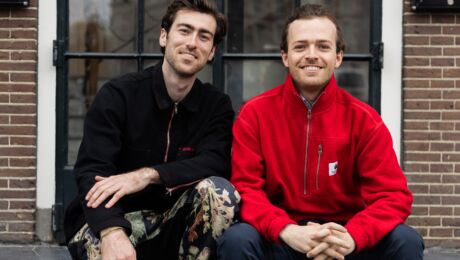
De Kiesmannen Film Route
Struggling to choose during the festival? We've got you covered! We've created a film route with De Kiesmannen, focusing primarily on the topics of democracy and freedom.
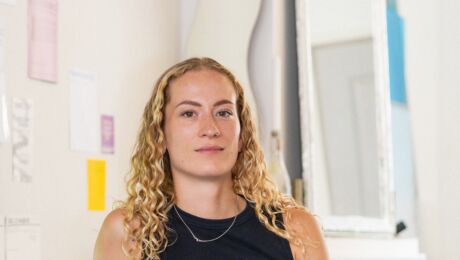
Lotte Ottevanger’s Film Route
We asked a few inspiring tastemakers about their must-see picks, so you can enjoy the festival with the best tips and a little extra inspiration. Today, it’s the turn of Lotte Ottevanger's: a multidisciplinary artist and, since October 2025, the first female Night Mayor of The Hague.