These films show what women’s resistance in Iran looks like
In connection with the exhibition Woman, Life, Freedom at the Resistance Museum, we recommend films that highlight women's resistance in Iran. 16 December, 2025
For years, Iranian filmmakers have been demonstrating how cinema can function under censorship and pressure. Their films focus on questions of freedom, identity and justice, often told through personal, layered stories. In recent Iranian cinema, women’s resistance is also becoming increasingly visible.
To delve deeper into this theme, we have curated a selection of films that bring Iranian women’s resistance vividly to life, in dialogue with the exhibition Woman, Life, Freedom – Iranian Women’s Resistance at the Resistance Museum. A selection from the exhibition will be on view during the Movies that Matter Festival 2026 (20–28 March). The Oscar® nominated film Cutting Through Rocks is also screened at the festival.
-
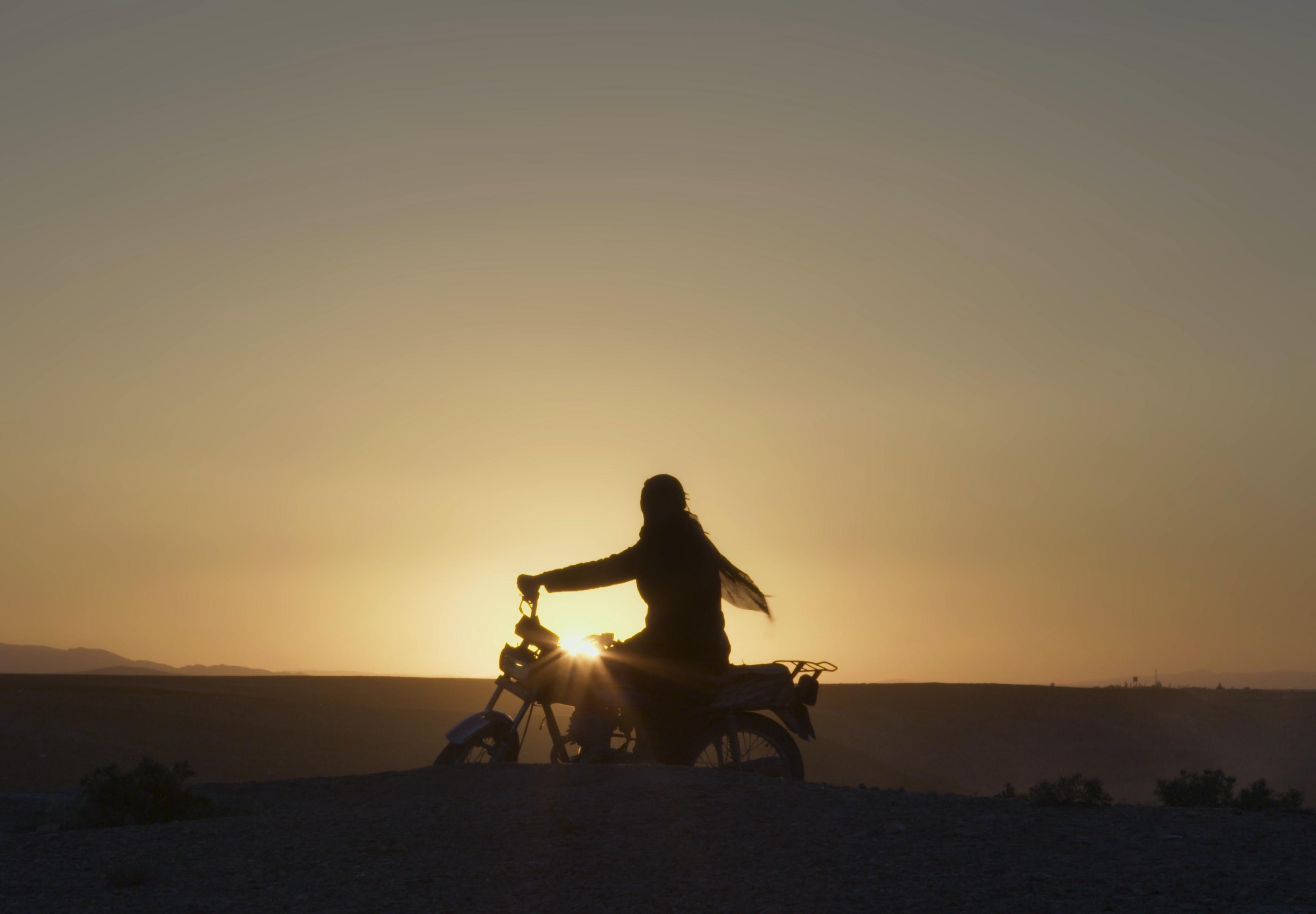
Cutting Through Rocks
Sara Khaki, Mohammadreza Eyni
As the first woman ever elected to the council of her small Iranian village, Sara Shahverdi aims to break long-held patriarchal traditions. She trains teenage girls to ride motorcycles, encourages them to pursue an education and tries to stop child marriages. But Sara’s resilience and combative style bring her many ene...
-

How Dare You Have Such a Rubbish Wish
Mania Akbari | streaming via Vimeo On Demand
Using a wealth of old film footage, the prominent filmmaker, artist and actress Mania Akbari highlights the role of the male gaze in Iranian cinema and thereby reclaims the female body.
-
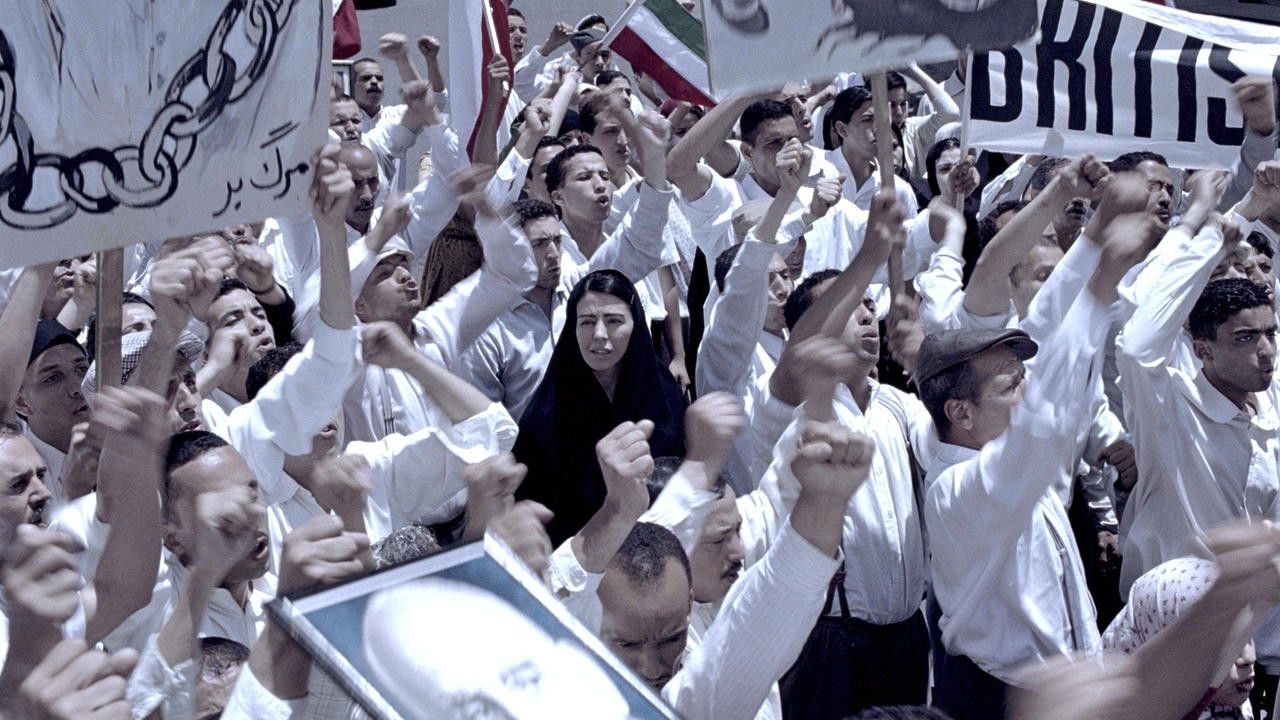
Women Without Men
Shoja Azari, Shirin Neshat | streaming via Eye Film Player
The magical realist Women Without Men follows the fortunes of four women in Iran against the backdrop of the 1953 coup d'état, which enabled the Shah to continue his despotic rule. The four women meet regularly in an orchard, where they hold parties, sing and talk freely about any subject.
-

Nasrin
Jeff Kaufman
Secretly filmed personal portrait of Iranian human rights lawyer Nasrin Sotoudeh. We see her at work for film director Jafar Panahi, in whose illegally filmed Taxi she played a role in 2015. And for Narges Hosseini, who was imprisoned for removing her hijab in public but refused to show remorse. The same principled stance also landed Nasrin Sotoudeh in prison; she has been sentenced to 38 years in prison and 148 lashes.
-
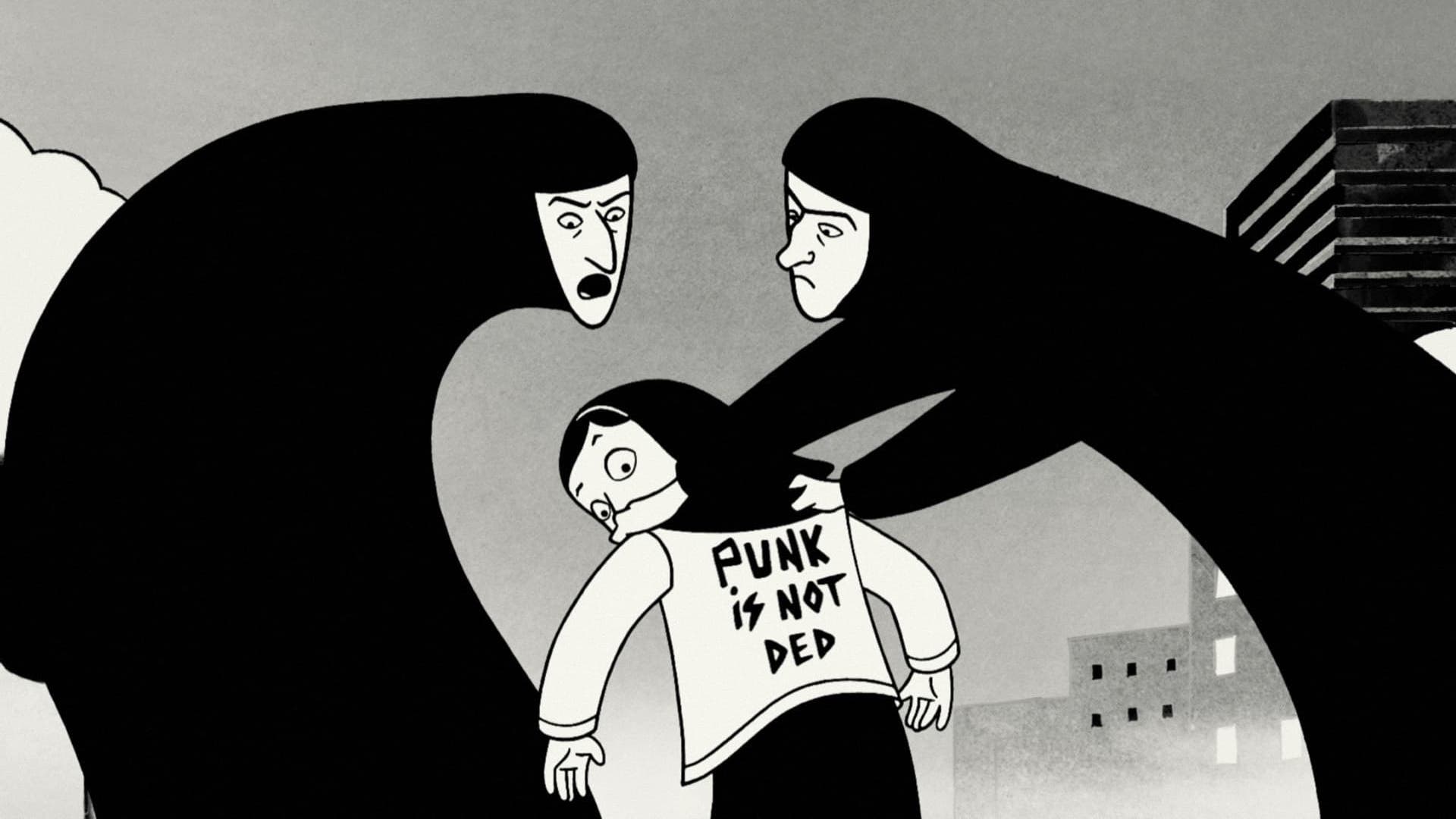
Persepolis
Vincent Paronnaud, Marjane Satrapi
In the successful four-part graphic novel Persepolis, Paris-based Marjane Satrapi describes her childhood in Iran – first in relative freedom under the Shah, then increasingly oppressed after the Islamic revolution. As a teenager, she is sent to Europe by her parents, but she is unable to settle in Western culture either. Satrapi co-directed this film adaptation, which retains both the story and the effectively simple drawing style of the comic.
-
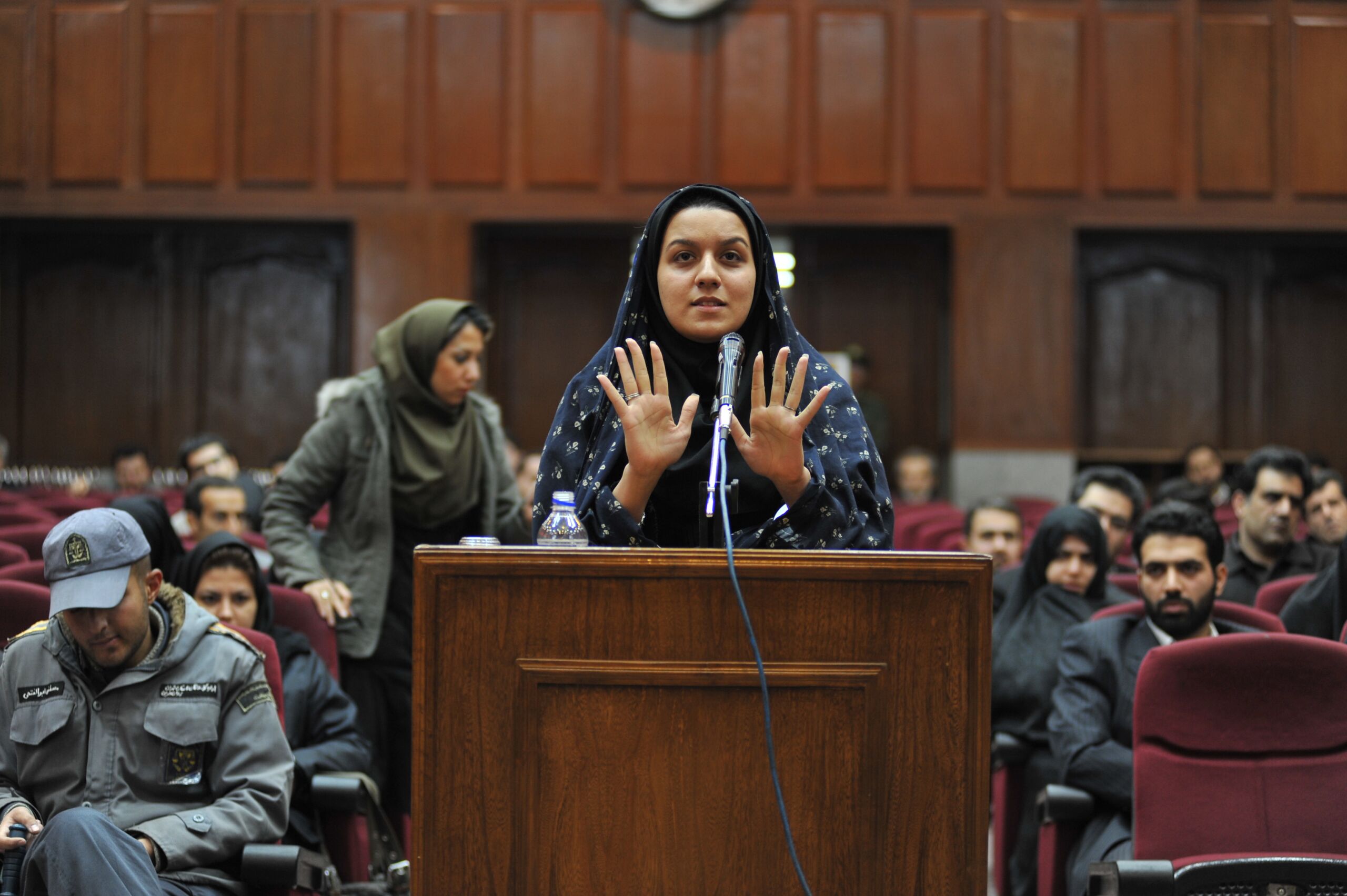
Seven Winters in Tehran
Steffi Niederzoll
The story of the brave Iranian Reyhaneh Jabbari. When she was 19, Reyhaneh killed a man who threatened to rape her. Her death sentence can be commuted if the victim's family forgives her. For Reyhaneh, this becomes a choice between her life and her values.
-
Offside
Jafar Panahi
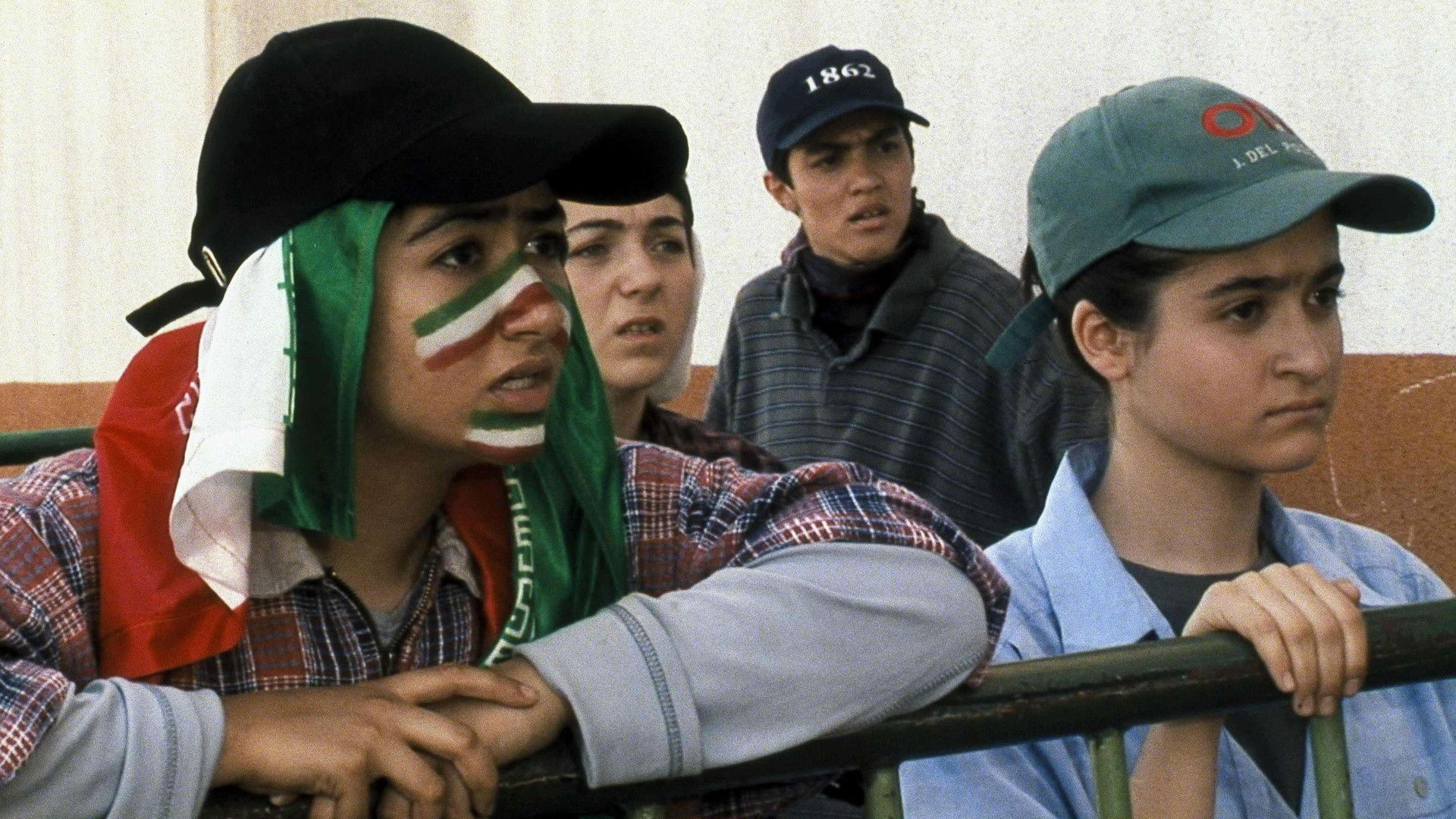
May 2006: Iran is on the verge of qualifying for the World Cup. Among the exuberant supporters are girls disguised as boys. Women in Iran are not allowed to visit the stadium. When the girls are caught, they refuse to give up. The soldiers guarding them try to do their job, but seem unable to cope with the rebellious girls. While the match is being watched from a distance, a poignant and comical power struggle unfolds.
-
The Day I Became a Woman
Marzieh Makhmalbaf
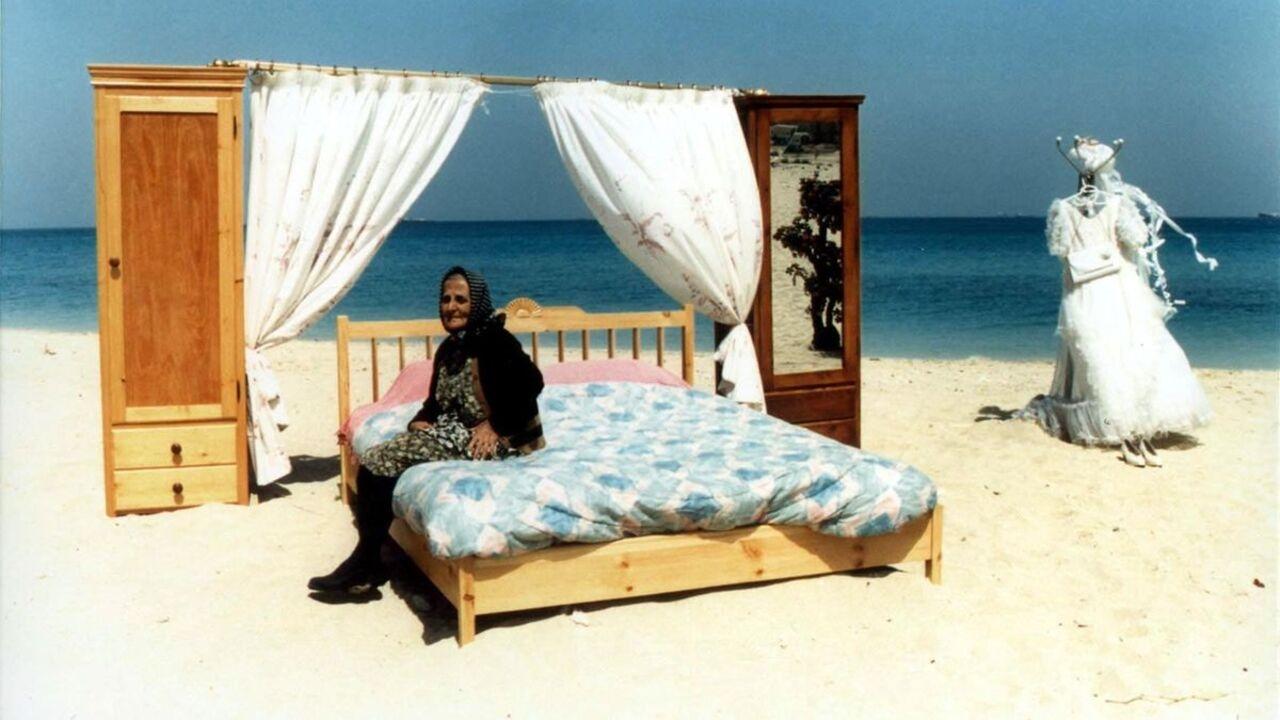
The story of life in Iran as told through three women from three generations. The first part revolves around a girl who, from one day to the next, is no longer allowed to play with boys because she has turned nine (and is considered an adult woman according to Iranian standards). In the second part, a young woman takes part in a cycling race against her husband's wishes. The third part focuses on an old woman who has come into a large sum of money and wants to use it to become more independent.