Tips from Our Grantees: Programme with Purpose
What’s the one piece of advice you’d share with someone organising a human rights film festival? We posed this question to our past grantees: experienced organisers who’ve navigated the challenges, triumphs, and unexpected moments that come with creating spaces for powerful human rights stories.In this second article of our series, we explore one of the most important elements of any human rights film festival: your programme. 29 June, 2026

Once you’ve built your dream team, the next challenge is deciding what stories to bring to your audience and how to present them in a way that inspires dialogue and action. A thoughtful programme does more than fill screening slots. It creates meaningful connections between films, audiences, and the issues that matter most.
From selecting the right films to engaging your community, here are our grantees’ top tips for building a programme with impact.
-
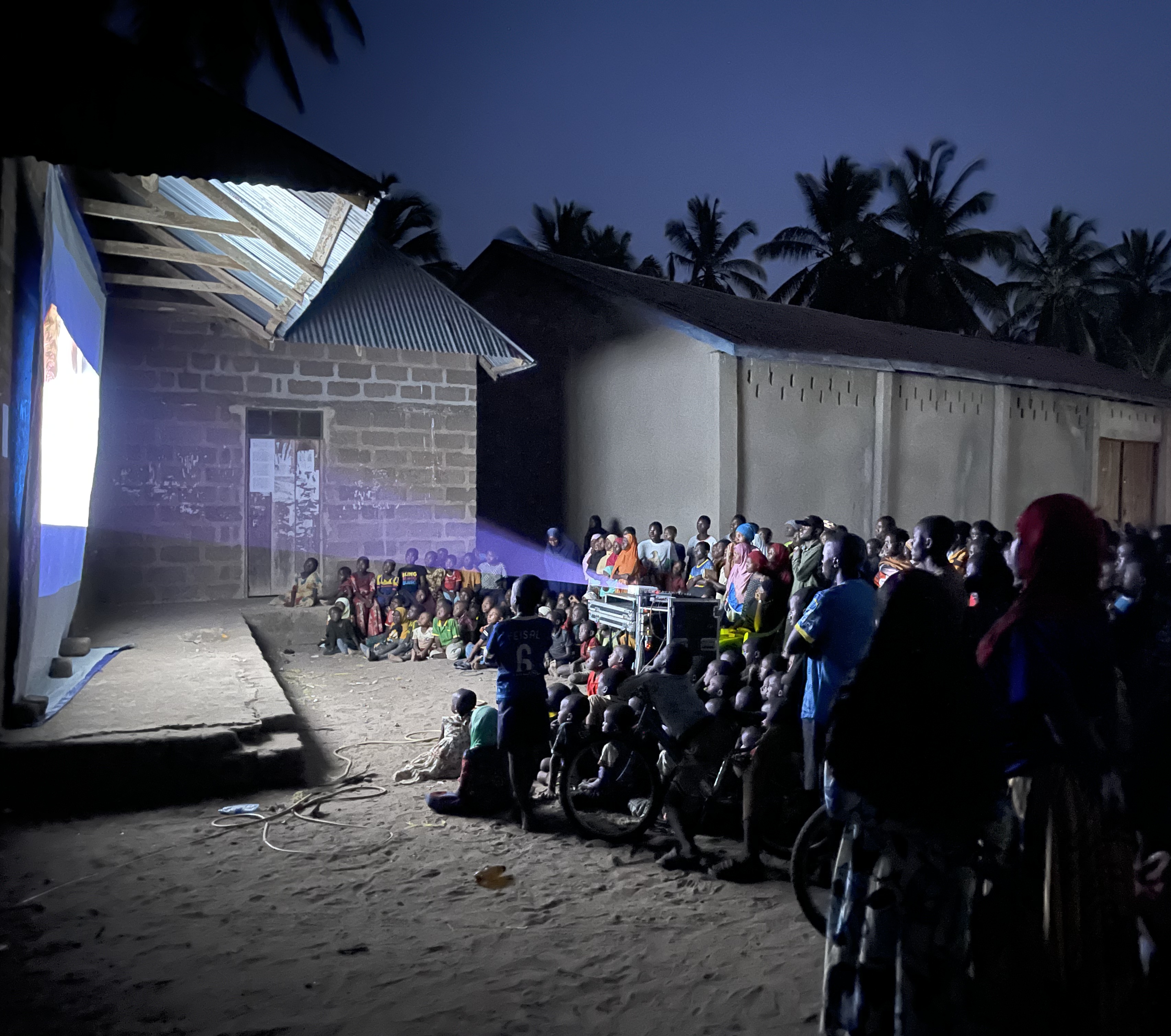
When it comes to programming, more isn't always better. Many grantees emphasised that a smaller, carefully curated programme often creates a stronger impact than an overcrowded schedule. Rather than trying to screen as many films as possible, focus on selecting works that speak directly to the human rights issues, conversations, and experiences most relevant to your community.
A focused programme also allows organisers to dedicate more attention to each screening, strengthen promotion efforts, and create a more meaningful experience for audiences. -
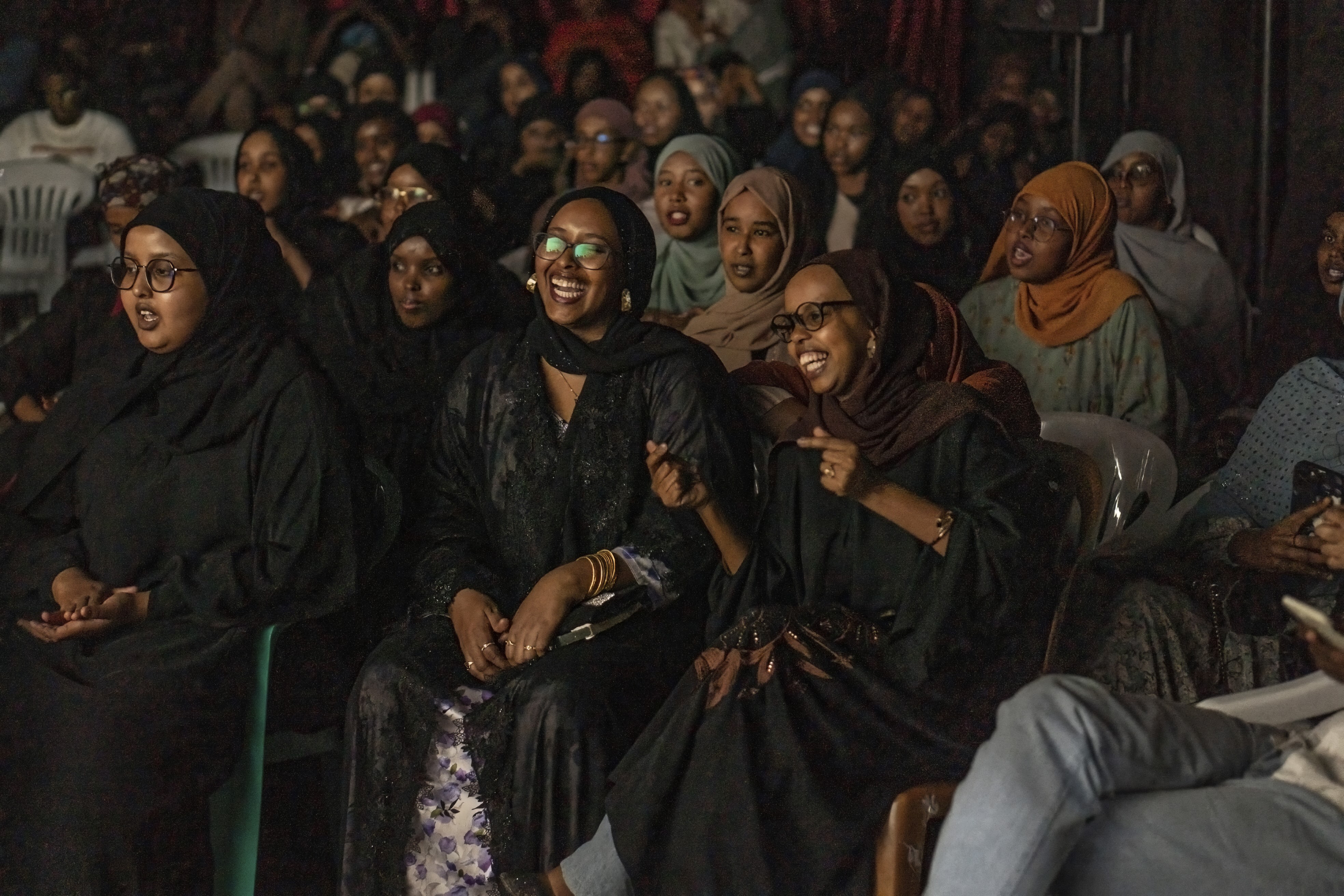
Successful programming starts with understanding the community you serve. Research local realities, current human rights challenges, and the broader social and cultural context. Most importantly, listen to local voices. Engage community leaders, grassroots organisations, educators, and activists early in the process to ensure your programme feels relevant and responsive.
What resonates in one city, region, or country may not have the same impact elsewhere. Effective programmers remain curious, flexible, and willing to adapt their approach to local needs. -
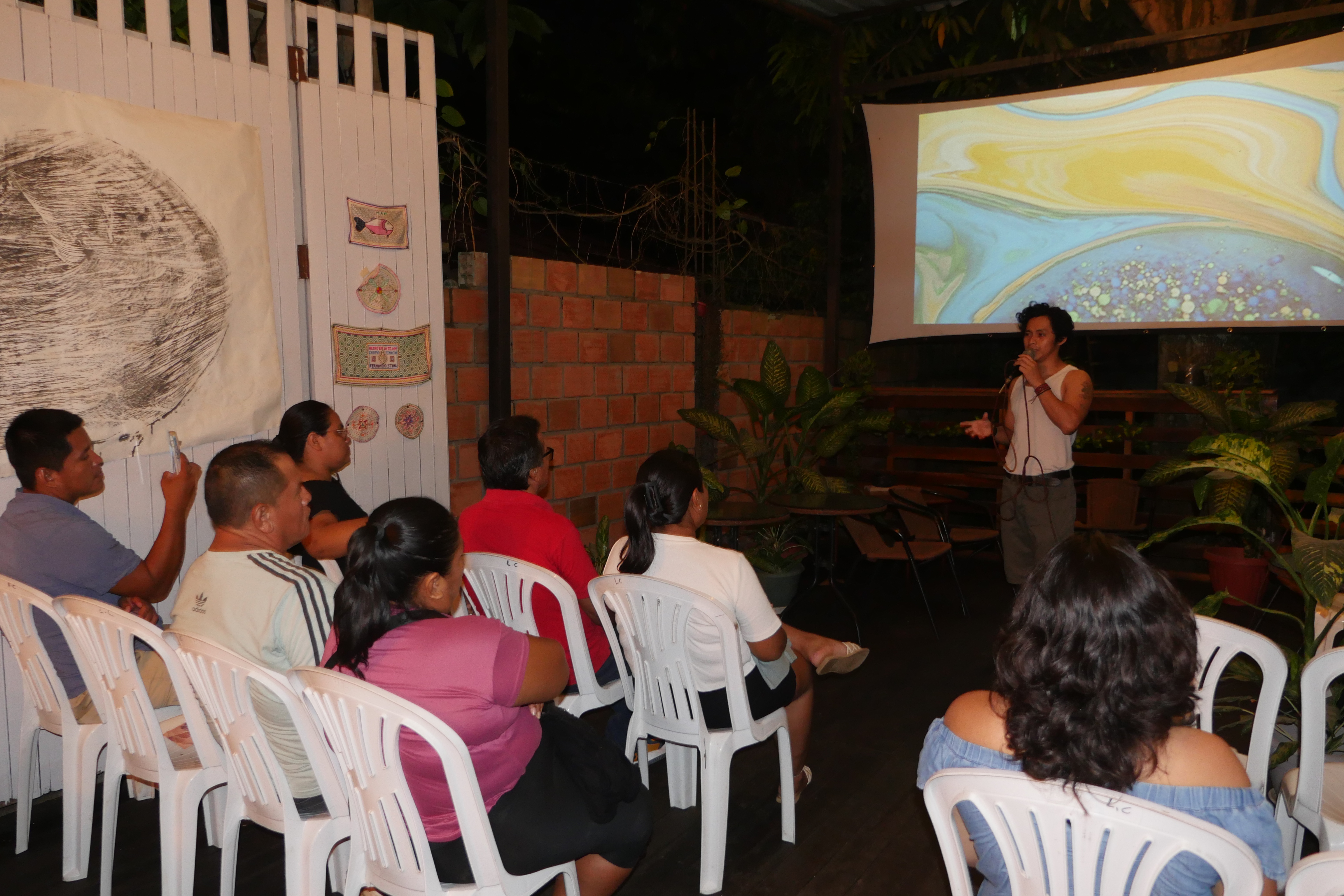
Films can open doors to difficult conversations, but only if audiences feel able to engage with them. Consider not only the themes of a film, but also its storytelling style, accessibility, and emotional impact. Look for films that audiences can connect with while still challenging them to see issues from new perspectives.
At the same time, be mindful of cultural sensitivities and the potential effects certain content may have on viewers, particularly when dealing with themes of trauma, violence, or discrimination. -
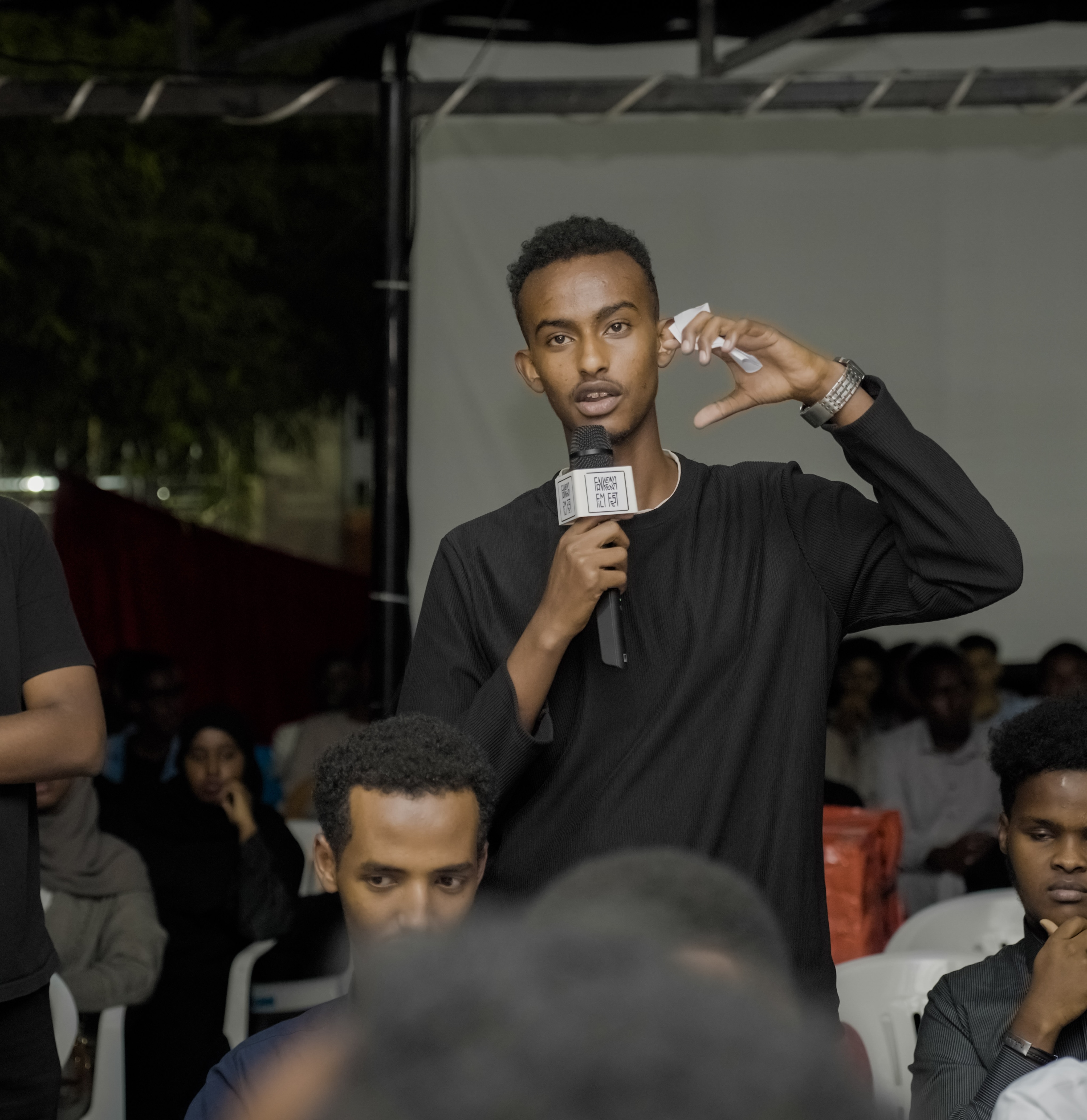
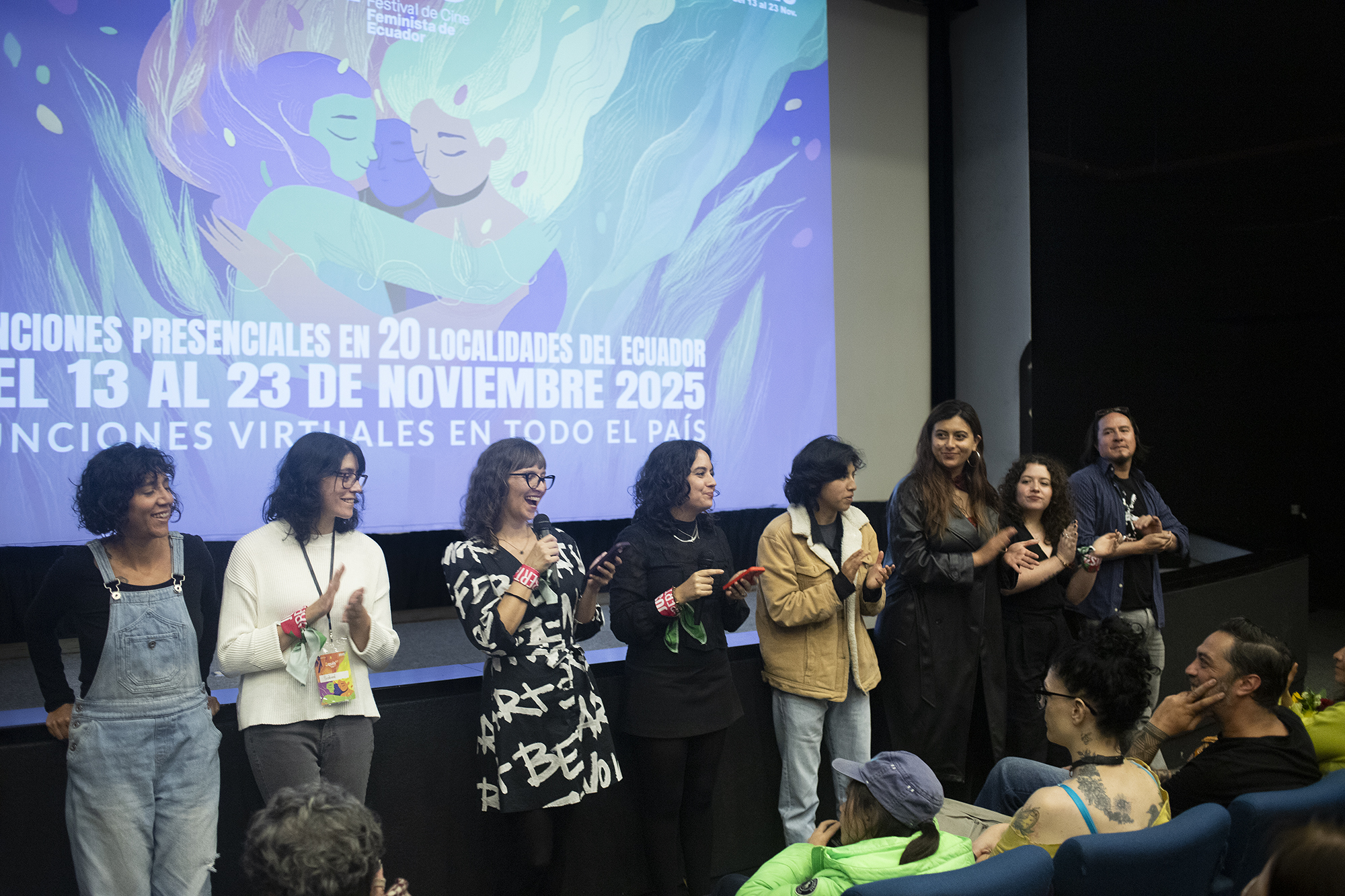
A human rights film festival is more than a series of screenings. Many grantees highlighted the importance of creating spaces where audiences can reflect, discuss, and respond to what they have seen.
Panel discussions, Q&As, workshops, and community conversations can deepen engagement and help transform viewing into action. These exchanges also provide valuable feedback, allowing organisers to learn what resonates with audiences and how future editions can be improved. -
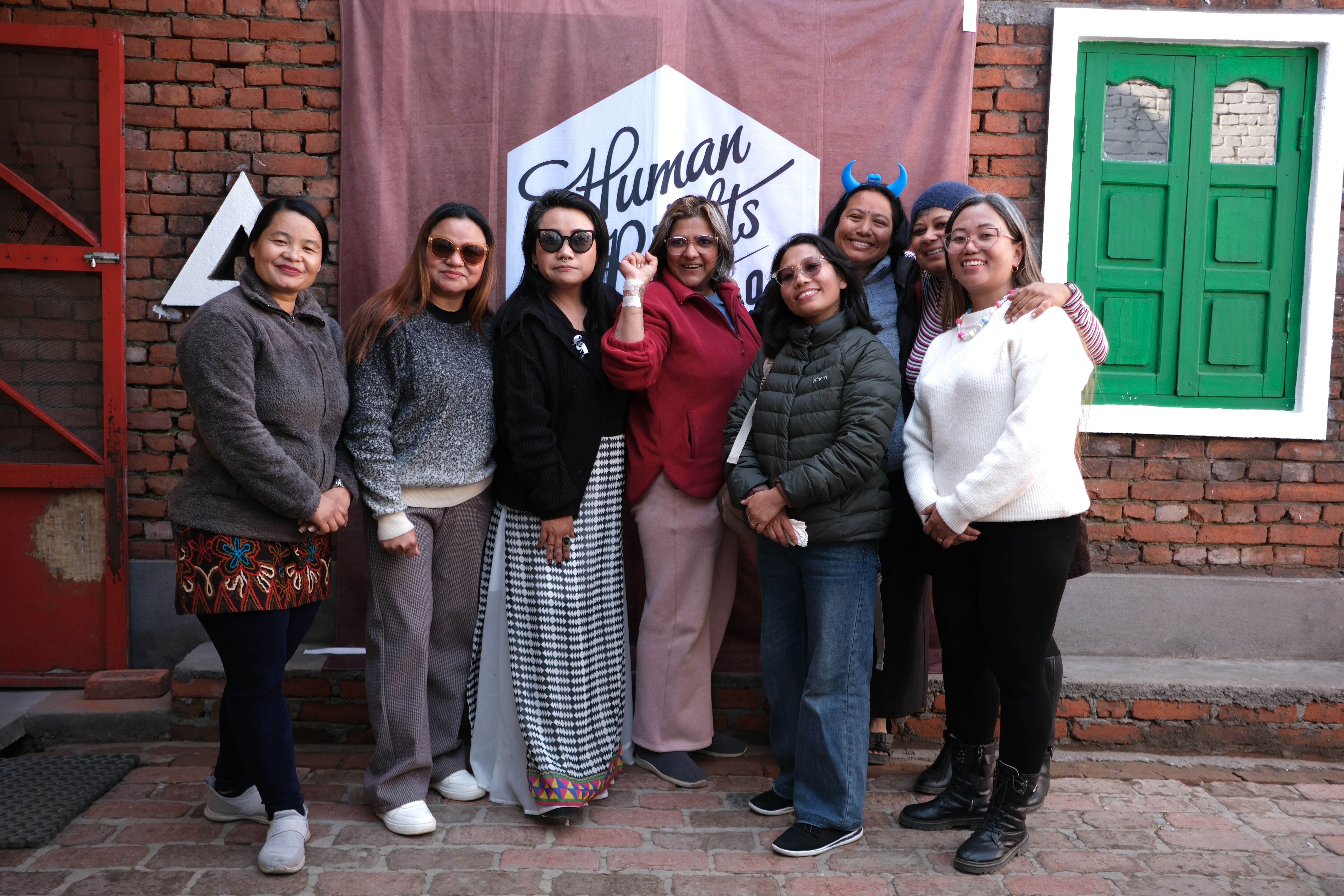
Programming becomes more powerful when audiences see their own realities reflected on screen and on stage. Whenever possible, invite local filmmakers, activists, experts, and community representatives to participate in discussions and events.
Supporting locally produced films can be particularly impactful, especially in regions where resources for filmmaking are limited but important stories remain untold. Local voices help bridge global human rights issues with lived experiences and strengthen the festival's connection to its community. -
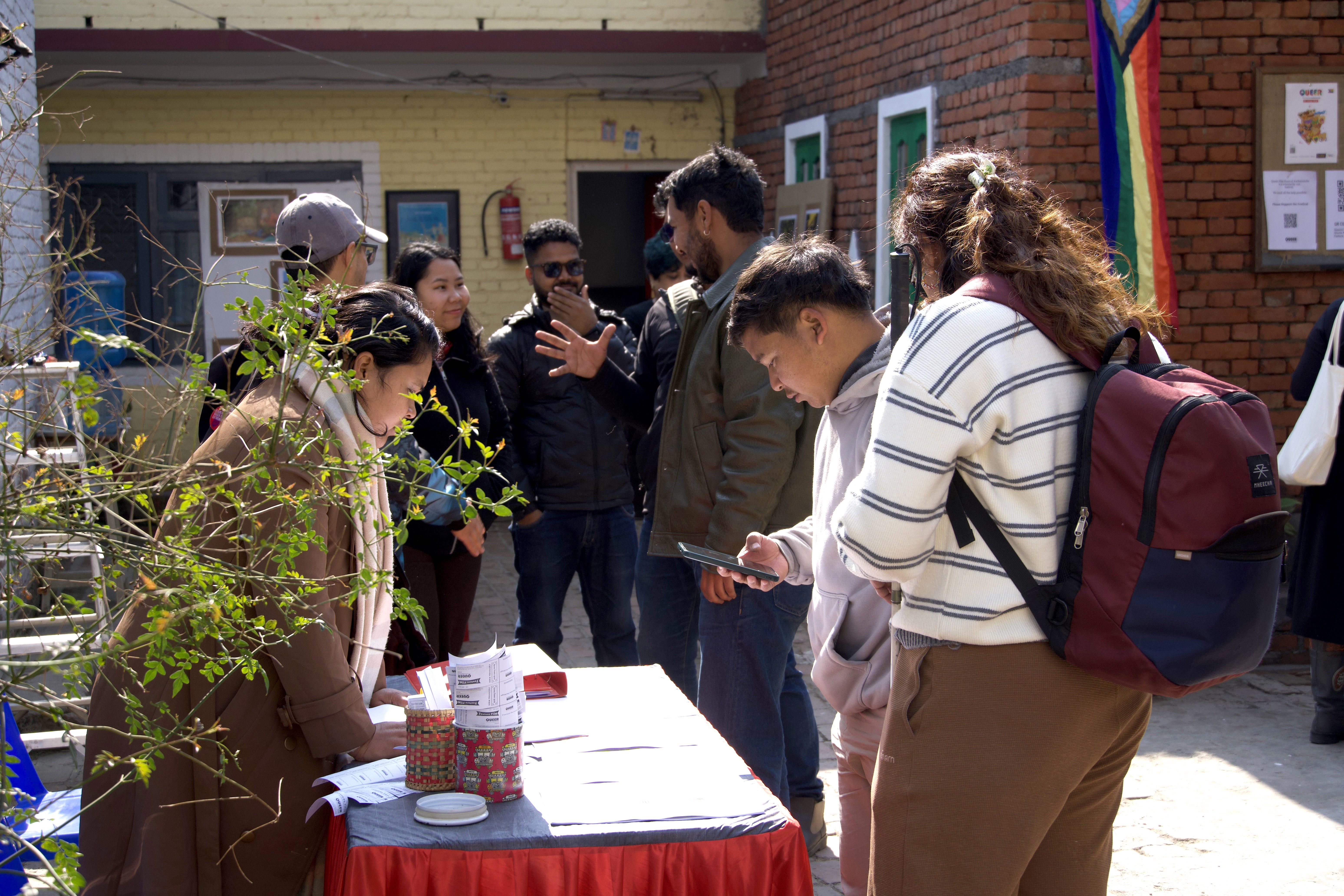
An impactful programme is one that people can actually access. Consider the needs of different audiences when selecting venues, planning events, and designing activities. Accessible venues, inclusive programming, and free or low-cost screenings can help remove barriers to participation.
Several grantees also recommended offering educational workshops and training opportunities, particularly for young people and emerging filmmakers, to broaden engagement and nurture future storytellers and advocates. -
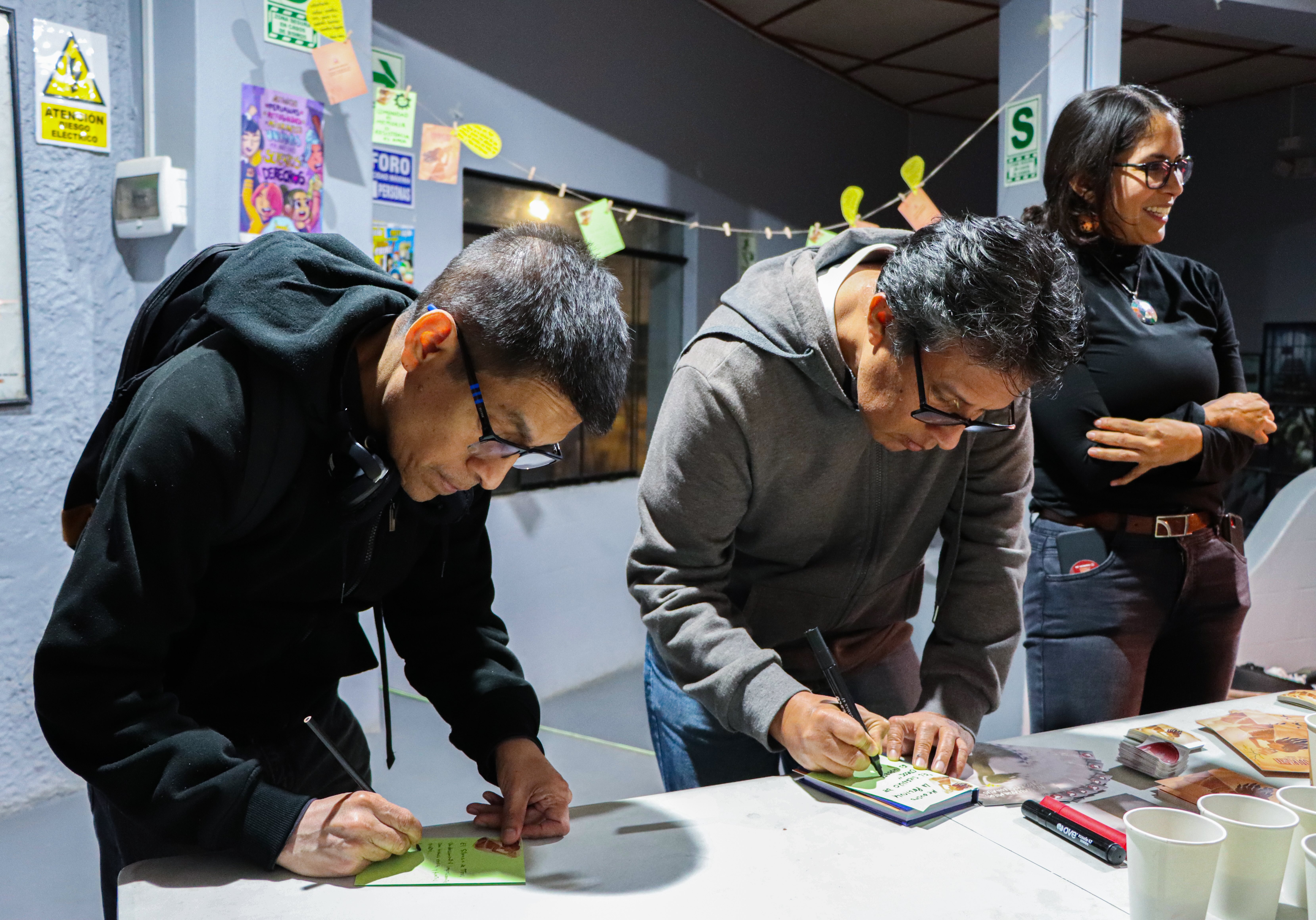
No programme is ever perfect. The strongest festivals continuously learn from their audiences, partners, and communities. Gather feedback, observe what works, and remain open to adjusting your approach.
Programming is not simply about selecting films. It is about building relationships, creating dialogue, and responding to the needs of the people you hope to reach.
Read more
Tips from Our Grantees: Build Your Festival Dream Team
What’s the one piece of advice you’d share with someone organising a human rights film festival? We posed this question to our past grantees: experienced organisers who’ve navigated the challenges, triumphs, and unexpected moments that come with creating spaces for powerful human rights stories.
Discover their top tips for building your dream team in the first post of this new series!

Opening Doors of Conversation: Carol Missorelli’s Impact Legacy at Taturana
Carol Misorelli co-founded Taturana in 2014 to use Brazilian cinema as a tool for democratic dialogue and social impact. In response to growing political polarization in Brazil, she helped shape a strategy focused on creating safe spaces for discussion through impact film distribution, festivals, and regional partnerships supported by Movies that Matter. Her work highlights how film can strengthen civil society by opening dialogue rather than fueling confrontation.
Find Movies that Matter on Letterboxd
We're now on Letterboxd! Follow for programme updates, exciting articles, selections from our archive and more.

Beyond the Screen: How We’re Carving Out Space for Human Rights in Tanzania
Movies that Matter has been supporting film festivals all over the world with our Grant Programme. Every now and then we invite grantees to share their insights. For this edition Elias Maeda, Founding Director of the Sauti Zetu Film Festival in Tanzania, elaborates on the effects on his community he experienced after the festival and gives a little sneak peek into new plans.