6 Film Tips on Bullying and Media Literacy
How can you address topics such as bullying, peer pressure and online behaviour in the classroom? Sometimes it helps not to jump straight into a discussion, but to start by watching a story together. A film puts students in a different situation and introduces them to characters they may recognise – or perhaps not at all.For Anti-Bullying Week and Media Literacy Week, we’ve selected films that explore themes such as belonging, being yourself, peer pressure, online behaviour and the influence we have on one another. 08 September, 2026

A good film can, for a moment, put you in someone else’s shoes. You follow a character up close and experience what happens to them. What does it feel like to be left out? How does it affect you when others treat you differently? And why do you sometimes go along with a group, even when you have your doubts?
These are questions that can be close to young people’s everyday experiences. Bullying and exclusion don’t only happen in the schoolyard or classroom. Group dynamics continue online too. In group chats and on social media, young people may encounter comments, images or videos that spread quickly. At the same time, they are constantly exposed to images and stories about what they are supposed to look like, who belongs and how they should behave. All of this can influence how young people see themselves and others.
That’s why it can be valuable not only to talk about these topics with students, but also to let them experience them from someone else’s perspective.
Understanding and Empathy
In its recent report What Works to Reduce Discrimination, Movisie identifies encouraging understanding and empathy as one of the ways to reduce prejudice and stereotypes. Stories that allow you to experience the world from someone else’s perspective can help with this. Films and series are particularly well suited to this: by empathising with a character, you briefly see a situation through someone else’s eyes.
This makes film a great starting point for a classroom discussion. Not to tell students what they should think, but to watch together and ask questions. Why does someone behave the way they do? Could things have turned out differently? Who has an influence on the situation? And what would you do?
Film tips
The films below connect with the Dutch Anti-Bullying Week (21–25 September) and/or Media Literacy Week (6–13 November). They offer different starting points for discussing bullying, exclusion, discrimination, identity, peer pressure and online behaviour with students. Choose a film that suits your class and use the story and accompanying educational materials as a starting point for discussion.
-
TKT
This film is available to book as an educational screening.
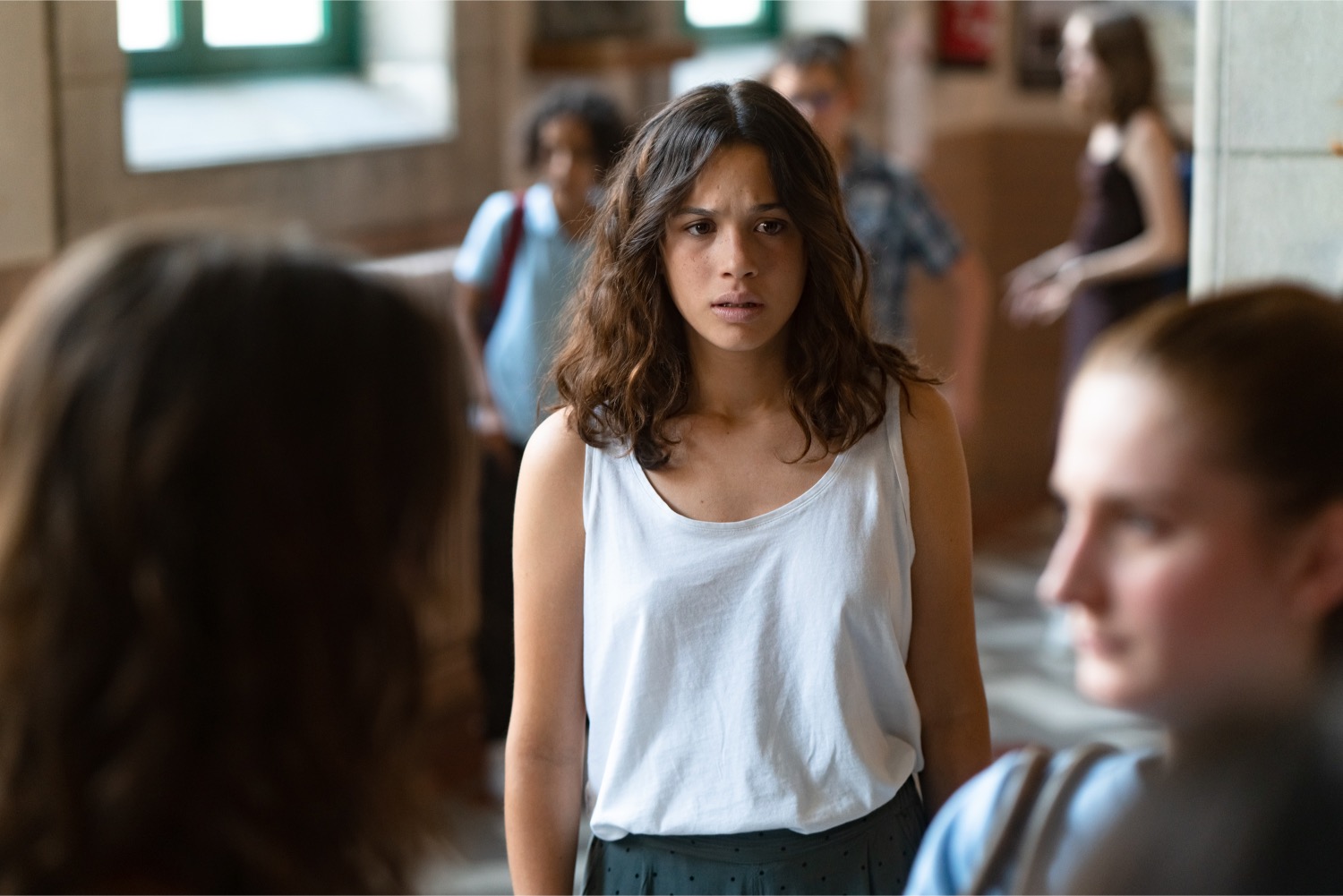
TKT is a powerful film about 16-year-old Emma, whose life is turned upside down by cyberbullying and social exclusion. When a private photo is shared without her consent, her classmates turn against her. Emma becomes increasingly isolated and eventually ends up in hospital. From her coma, she tries to understand how things got this far and what could have happened differently.
-
Shorts Special: Comments & Canceled
This film is available to book as an educational screening at the Movies that Matter Festival in Amsterdam and The Hague (March 2027)
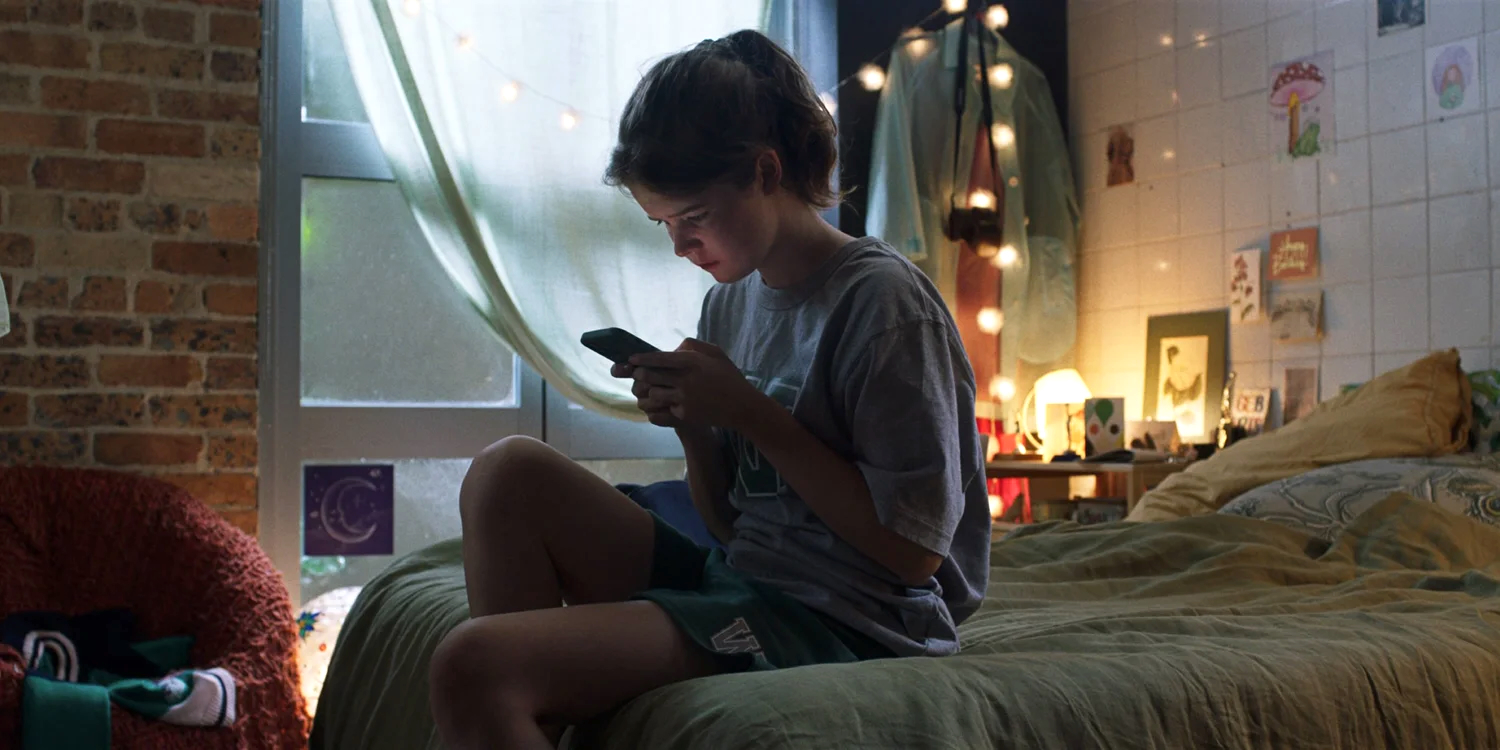
Two short films about the influence of social media and the impact of what we say to each other online. Comments shows how a positive online comment can unexpectedly turn into cyberbullying for a teenage girl – and what this does to her. In Canceled, a rapper faces a flood of hateful comments after making controversial statements, and has to deal with the consequences for both his career and personal life.
Thursday 25 March: Media Mindf#ck Workshop
Following the films Comments and Canceled, students continue the conversation with the peer educators from Young Society. During the Media Mindf#ck workshop, students explore topics such as the role of the media, objectivity, critical thinking, stepping outside their own bubble and recognising fake news through a range of interactive activities. -
King Ridwan
This film is available to watch online for free, including educational materials.
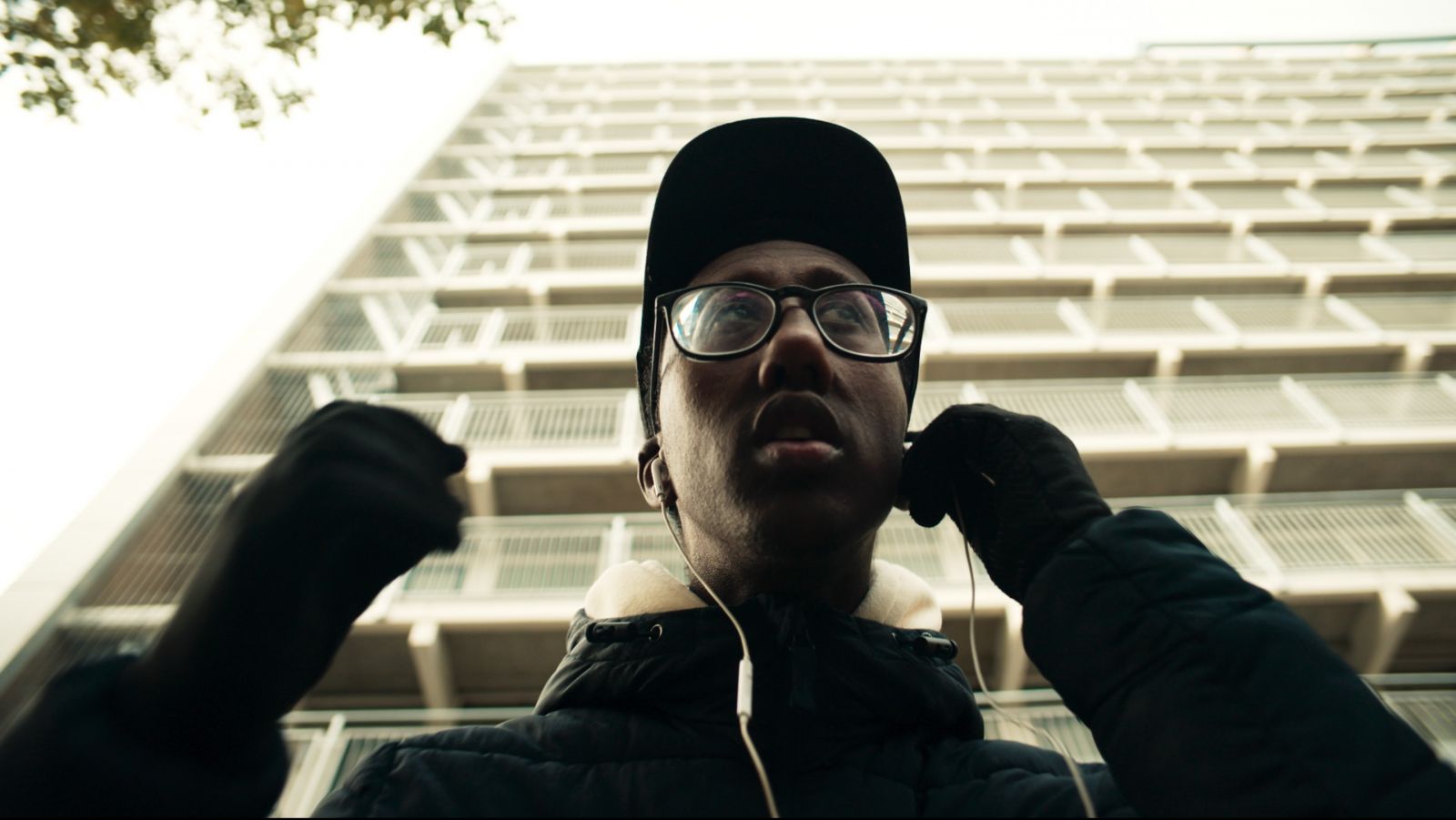
Ridwan is a 20-year-old TikToker with an intellectual disability who is hugely popular in his hometown of Leeuwarden. But part of his popularity has grown from people making fun of him. His family wants to protect him from the negative effects of social media, while Ridwan wants to be taken seriously as he pursues his passions.
Will Ridwan be discouraged by all the obstacles in his way, or will he keep believing in his dream of becoming a social media superstar? -
Swipe
This film is available to watch online for free, including educational materials.
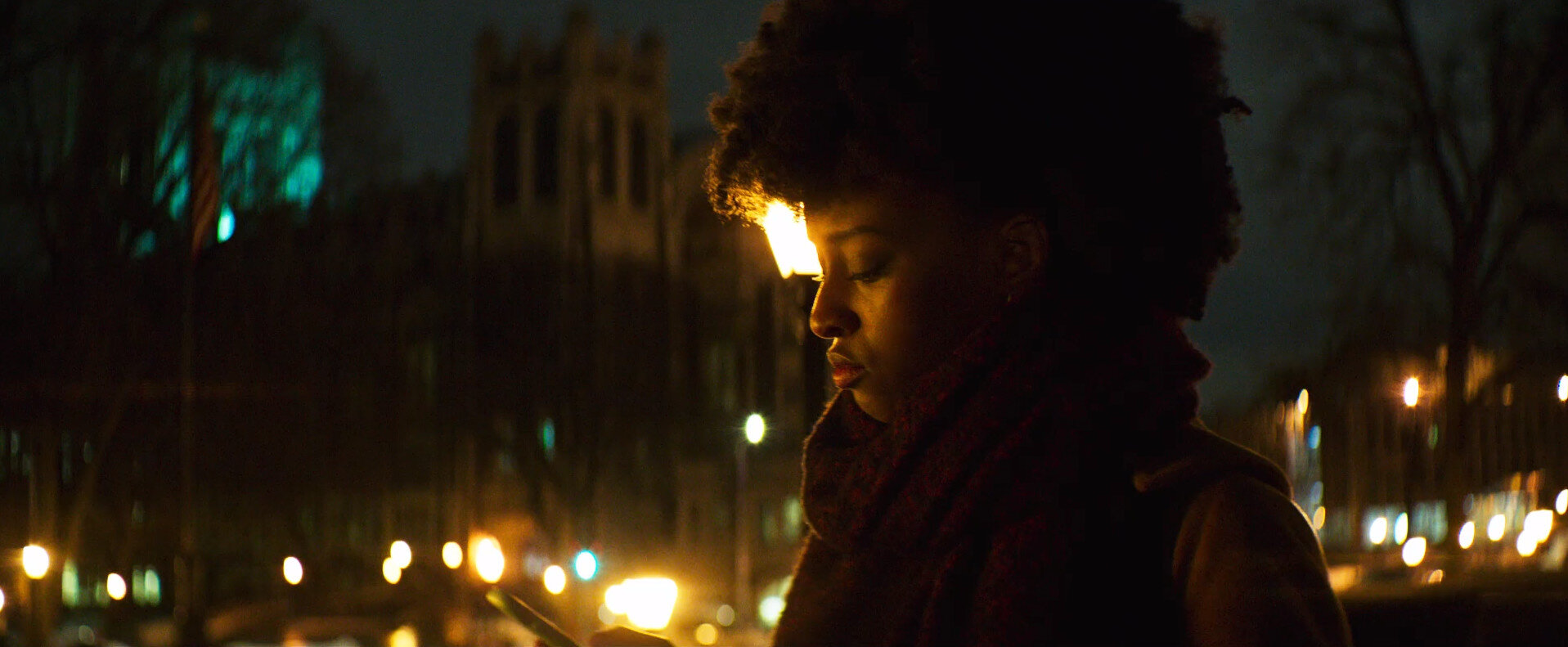
When a woman walks home through the city one evening, she gets a strange match on a dating app. Before long, she starts to feel that her match is getting closer than she would like.
-

#tagged
This film is available to watch online for free.
What happened to 14-year-old Elise at a party that got out of hand? What she posts on Instagram, Facebook and YouTube that night takes on a life of its own. She loses control over her online life, and her phone goes from being her best friend to her worst enemy.
-
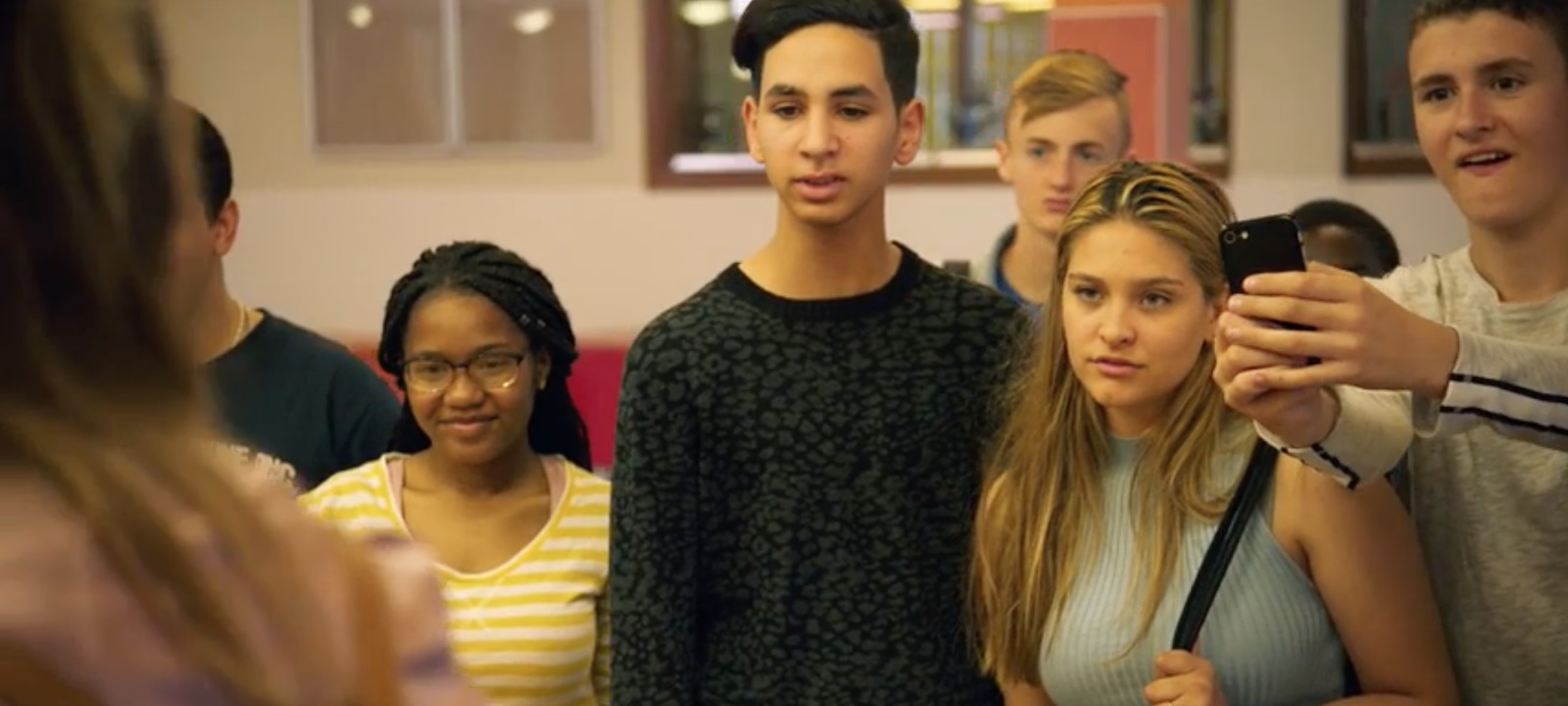
Sex Ding
This film is available to watch online for free.
Vita is sixteen and afraid of nothing. She has a best friend, Shaira, and is dating Django. When Shaira posts a sexy photo of Vita on Instagram during an argument, Vita insists she has nothing to hide. But the consequences are serious – more serious than Vita can handle. On the surface, she seems unfazed, but the physical humiliation and loneliness hit hard. Will Vita manage to stay strong when everyone turns against her and shuts her out?
Read more
How Movies that Matter Puts Children’s Rights in the Spotlight Every Year
Young people are not always aware of children's rights, but they do play a role in their daily lives. Find out how we use films to discuss and celebrate children's rights in the classroom.
Cinema on the road in Morocco
Hicham Falah is the director of human rights film festival FIDADOC, Morocco's oldest documentary festival. We spoke with him about his travelling project, called Triq Cinima ('The Road of Cinema'), which received a start-up grant from Movies that Matter in 2021.
Festival Films 2026: In Theaters and Streaming
Did you miss a film during the festival? No worries! We have listed for you which festival films will be released in cinemas or are available to stream soon.