Tips from Our Grantees: Find Your Festival Allies
What’s the one piece of advice you’d share with someone organising a human rights film festival? We posed this question to our past grantees: experienced organisers who’ve navigated the challenges, triumphs, and unexpected moments that come with creating spaces for powerful human rights stories.For the third installment in our series, we’re looking at partnerships. 09 September, 2026

In this third article in our series, we’re zooming in on partnerships. Because even the most dedicated festival team can’t do everything alone. The right partners can help you reach new audiences, understand your local context, strengthen your programme and make your festival part of something bigger.
-
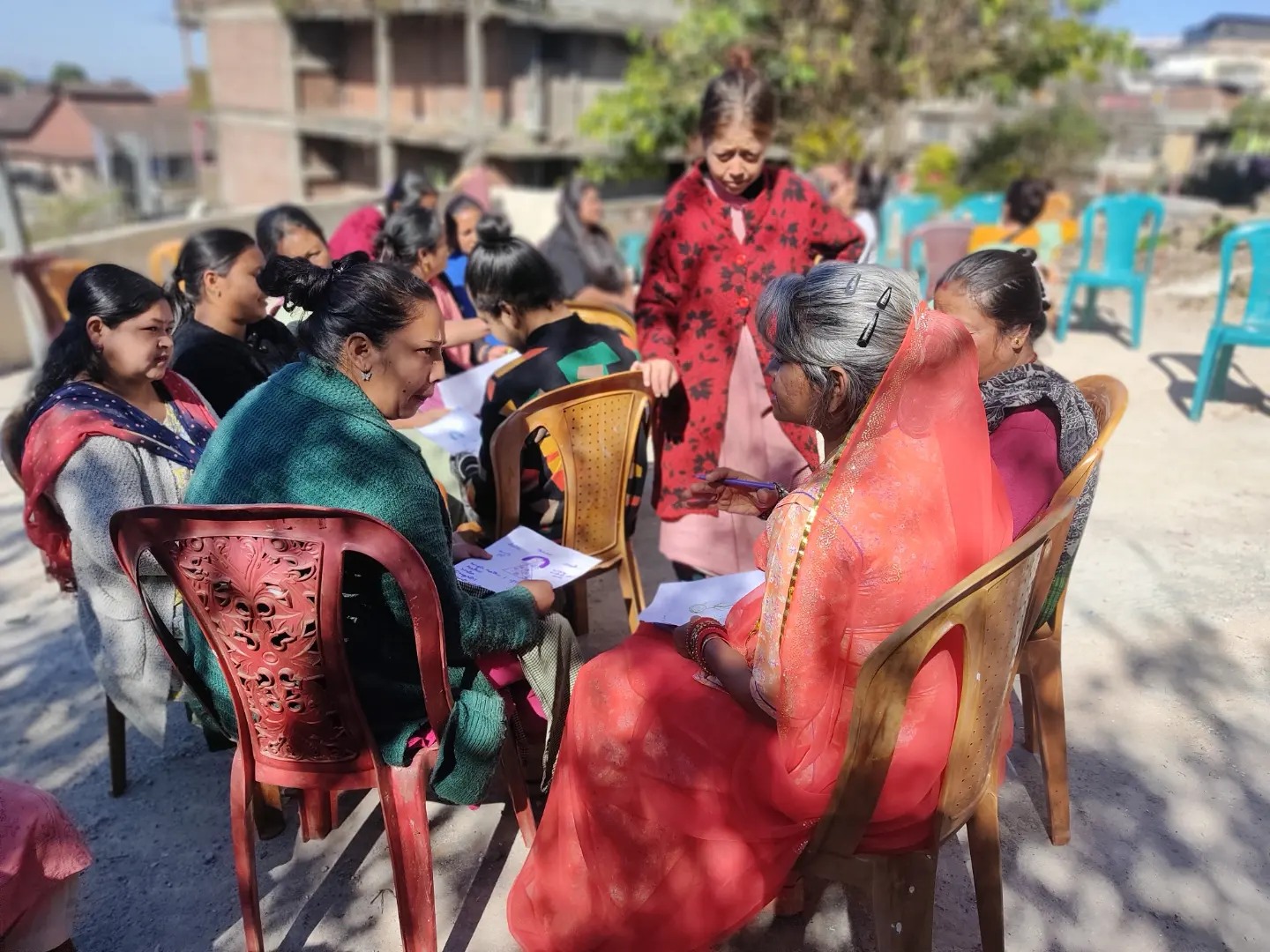
Your best partner might not have anything to do with film.
Schools, universities, cultural centres, NGOs, activist groups, community organisations and grassroots initiatives can all bring something different to a festival. They may know the local audience better than you do, have expertise on a particular issue, or have connections that would take you years to build yourself.
Start by thinking about the issues your festival wants to address. Who is already working on them? Who is having conversations about them? Who is trying to reach the same people?
These organisations can become much more than promotional partners. They can help you find speakers, shape discussions, suggest films, reach new audiences or make connections in communities you wouldn’t otherwise reach. -
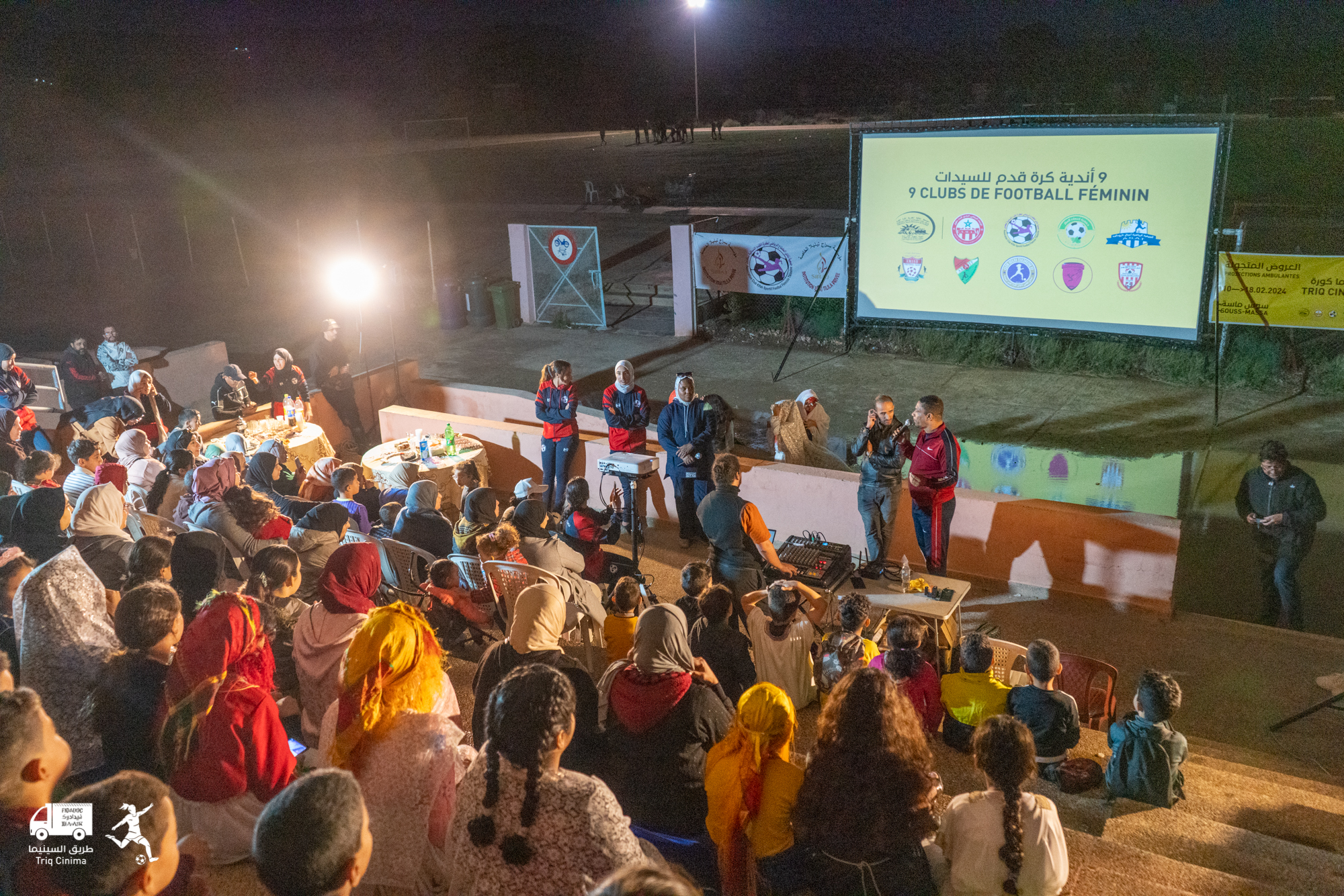
A partnership is much easier to build when you’re not asking for something at the last minute.
Get in touch before your programme is finished. Meet people, go to their events, find out what they’re working on and tell them what you’re planning. You don’t need to have a fully formed proposal. Sometimes an informal conversation is enough to discover that there’s a shared interest.
This is especially important when working with grassroots organisations or community groups. They may have limited time and resources, so giving them enough time to consider a collaboration shows that you value their involvement.
And sometimes the best partnerships start long before there’s a festival project on the table. -
There’s a big difference between asking someone to promote your festival and actually working with them.
If you’re partnering with an organisation because of their knowledge of a particular community or issue, give them a meaningful role. Ask what they think should be included in the programme. Invite them to suggest speakers or films. Let them organise part of an event if that makes sense.
You may end up changing your original plans. That’s okay. A collaboration should bring something to the table that you couldn’t have created on your own.
It also gives your partner a reason to feel that the festival is partly theirs, rather than something they’re simply helping you organise. -
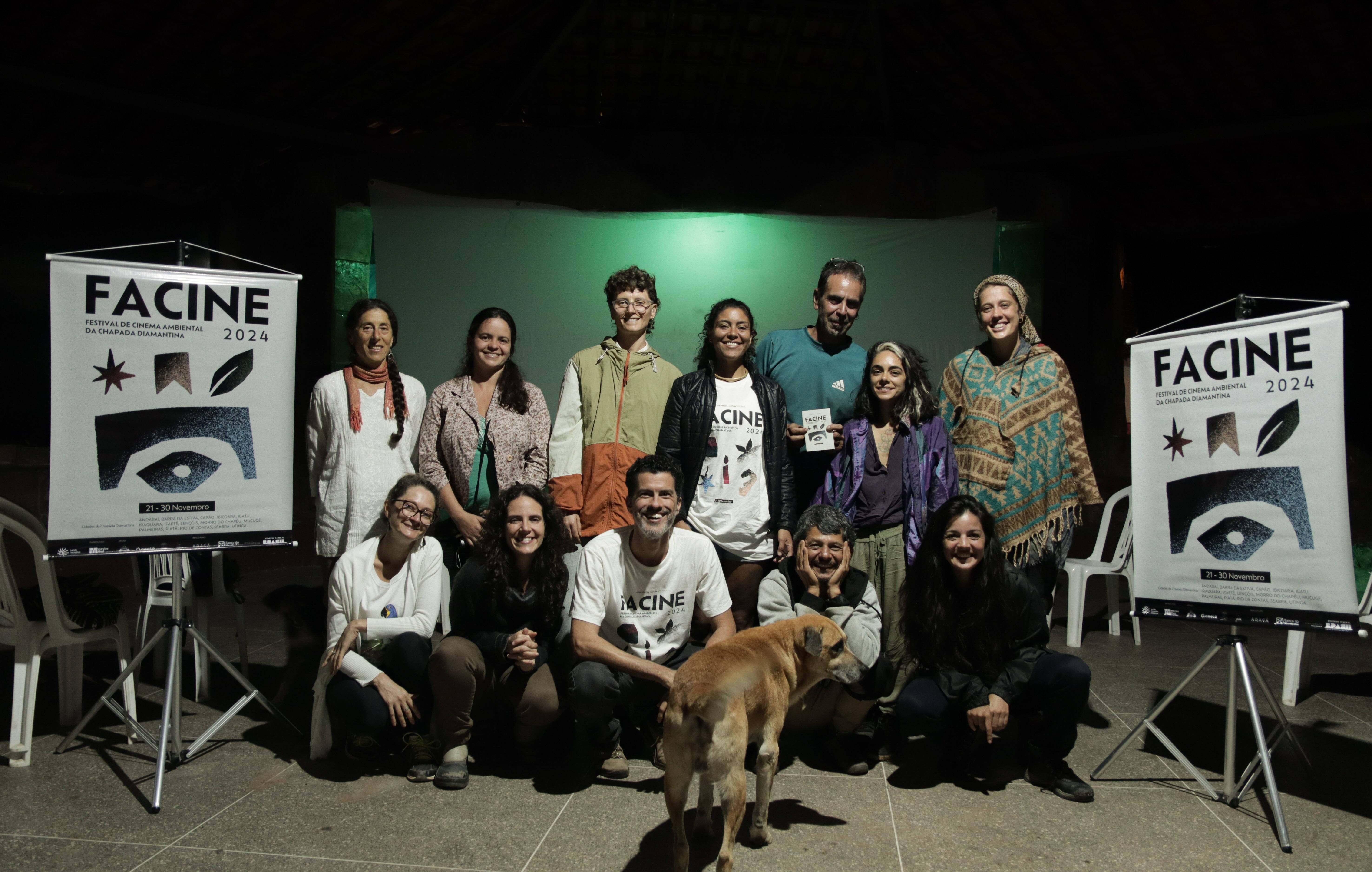
Good intentions don’t replace practical agreements.
Before you start working together, talk about who is responsible for what. Who books the venue? Who contacts speakers? Who pays for what? Who promotes the event? Who makes the final decision if you disagree?
For bigger collaborations, put it in writing. It doesn’t have to be complicated, but having an agreement or MOU (Memorandum of Understanding) can save a lot of confusion later.
It’s also worth talking about what each organisation actually has capacity for. A small community organisation may be enthusiastic about your festival but simply not have the staff to run a large event or promote it across multiple channels. -
Partnerships work best when they go both ways.
It’s easy to approach an organisation because you want something from them: their audience, expertise, venue, network or name. But what are you offering in return?
That could be a platform for their work, visibility for an issue they care about, access to filmmakers or experts, educational opportunities, or simply the chance to bring an important conversation to their community.
Be specific about this. If a partner is contributing time, knowledge or resources, make sure their contribution is recognised. Credit them in your communications, give them space at the event and involve them in the parts of the project that matter to them.
A useful question to ask is: why would this partnership be valuable to them? -
When organising a festival in a particular city or region, it can be tempting to arrive with a programme and then look for local organisations to help you deliver it.
Try doing it the other way around.
Talk to people who live and work there before making all your decisions. What issues are important locally? Which stories are missing? Are there subjects that need particular care? Which communities should be involved in the conversation?
Local partners can help you answer questions that research alone can’t. They can also tell you when an idea that looks good on paper simply won’t work in practice.
This doesn’t mean giving up control of your festival. It means making room for local knowledge and allowing the programme to reflect the place where it happens. -
If a collaboration works well, there’s no reason for it to end when the festival does.
A partner you work with on one screening might become a regular collaborator, an educational partner, a local ambassador or a co-organiser of events throughout the year. You might discover new projects together that neither of you had considered at the start.
So keep the relationship going. Follow up after the festival. Ask what worked and what didn’t. Stay in touch even when you’re not asking for anything.
Over time, these relationships can become one of your festival’s biggest strengths. They help you build knowledge, trust and a network that grows with every edition.
And that’s ultimately what a good partnership should do: not just make one festival better, but make the next one possible.
Read more
Tips from Our Grantees: Build Your Festival Dream Team
What’s the one piece of advice you’d share with someone organising a human rights film festival? We posed this question to our past grantees: experienced organisers who’ve navigated the challenges, triumphs, and unexpected moments that come with creating spaces for powerful human rights stories.
Discover their top tips for building your dream team in the first post of this new series!
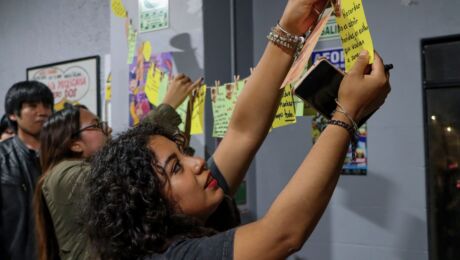
Tips from Our Grantees: Programme with Purpose
What’s the one piece of advice you’d share with someone organising a human rights film festival? We posed this question to our past grantees: experienced organisers who’ve navigated the challenges, triumphs, and unexpected moments that come with creating spaces for powerful human rights stories.
In this second article of our series, we explore one of the most important elements of any human rights film festival: your programme.

Opening Doors of Conversation: Carol Missorelli’s Impact Legacy at Taturana
Carol Misorelli co-founded Taturana in 2014 to use Brazilian cinema as a tool for democratic dialogue and social impact. In response to growing political polarization in Brazil, she helped shape a strategy focused on creating safe spaces for discussion through impact film distribution, festivals, and regional partnerships supported by Movies that Matter. Her work highlights how film can strengthen civil society by opening dialogue rather than fueling confrontation.
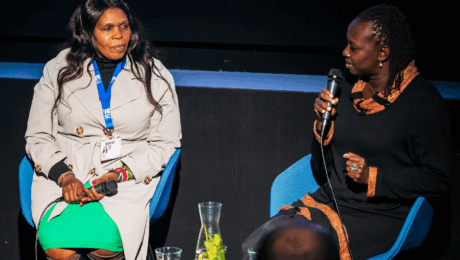
Zippy Kimundu on Activism Through Filmmaking
We sat down with Zippy Kimundu during IDFA 2025 to discuss her documentary Our Land, Our Freedom, her experience with Movies that Matter’s Activist Lens Programme, and her future projects.