Tips from Our Grantees: Organise with Care
What’s the one piece of advice you’d share with someone organising a human rights film festival in a challenging environment? We put this question to our past grantees: experienced organisers who know what it takes to bring people together around important stories, sometimes in circumstances where freedom of expression and personal safety cannot be taken for granted.For this fourth installment in our series, we’re focusing on safety and security: how to protect your team, guests and audiences while continuing to create space for human rights films and conversations. 25 November, 2026

Organising a human rights film festival can be challenging, particularly in places where freedom of expression is restricted or certain human rights issues remain politically sensitive. Beyond finding films, securing venues and attracting audiences, organisers may have to consider censorship, political pressure and the safety of everyone involved.
We asked our past grantees what advice they would give to others working in challenging environments. Their experiences highlight the importance of being thoughtful about visibility, preparing for unexpected situations and finding ways to keep telling important stories without putting people at unnecessary risk.
Movies that Matter Grant Programme
Since 2007, we’ve supported 381 human rights film festivals worldwide, particularly in countries in Africa, Asia, Latin America, Eastern Europe and the MENA region, through our grant programme. In this series, we share their top tips, drawn from years of experience and local expertise. Of course, every context differs, but these are the lessons our community of experts found most valuable, and we hope you’ll find inspiration in them too.
-
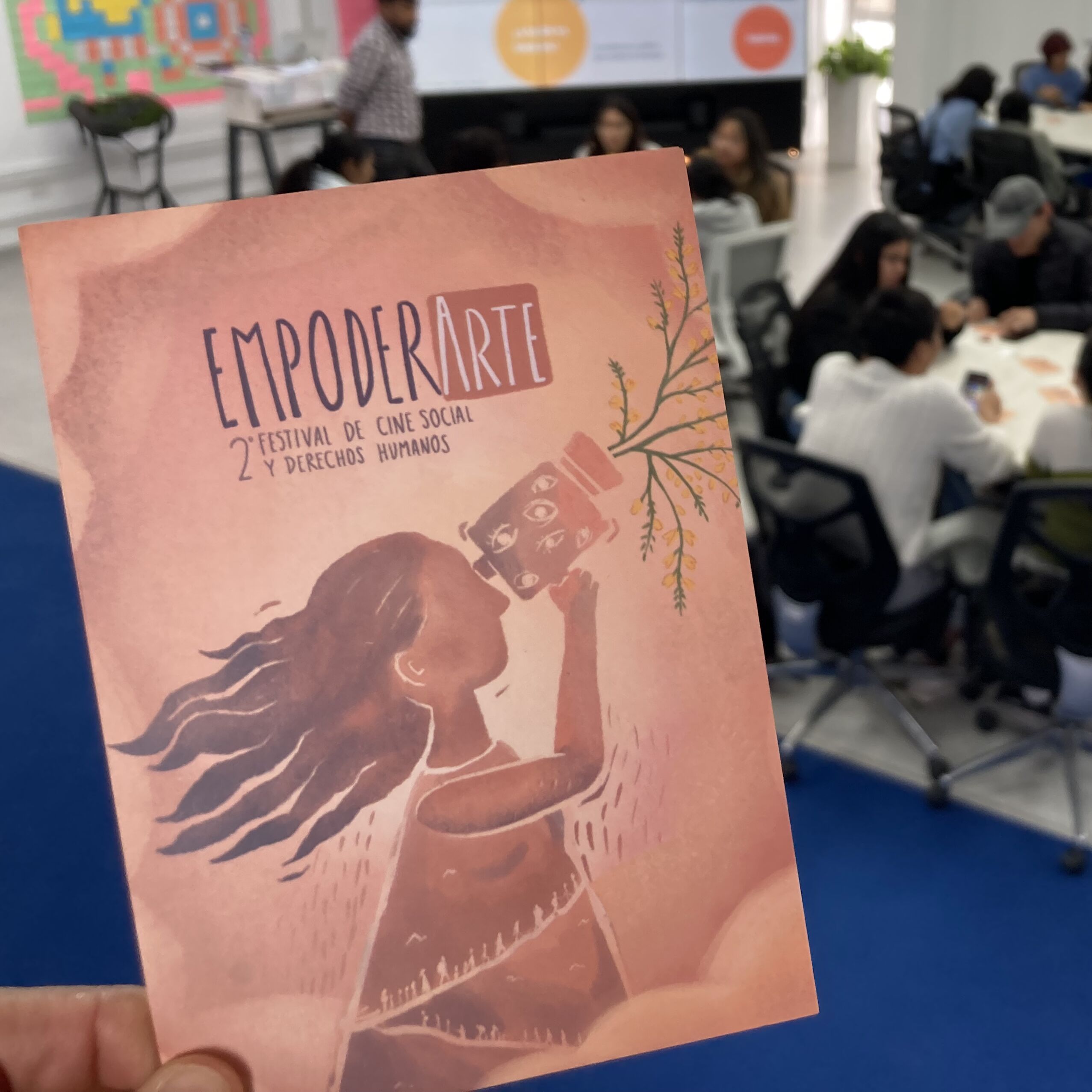
Promoting a festival widely is usually part of attracting an audience. But in some contexts, public visibility can create risks for organisers and participants.
Consider whether a highly publicised event is the right approach for your particular situation. Depending on the local environment, a smaller gathering, a mobile screening project or a collaboration with an established local organisation may be more appropriate than a large, publicly advertised festival.
One grantee, for example, recommends associating screenings with activities that already serve an important community need, such as health or hygiene initiatives. This can provide a different setting for bringing people together around human rights issues.
There is no universal formula. The important thing is to think carefully about how much visibility your event needs and what that visibility could mean for the people involved. -
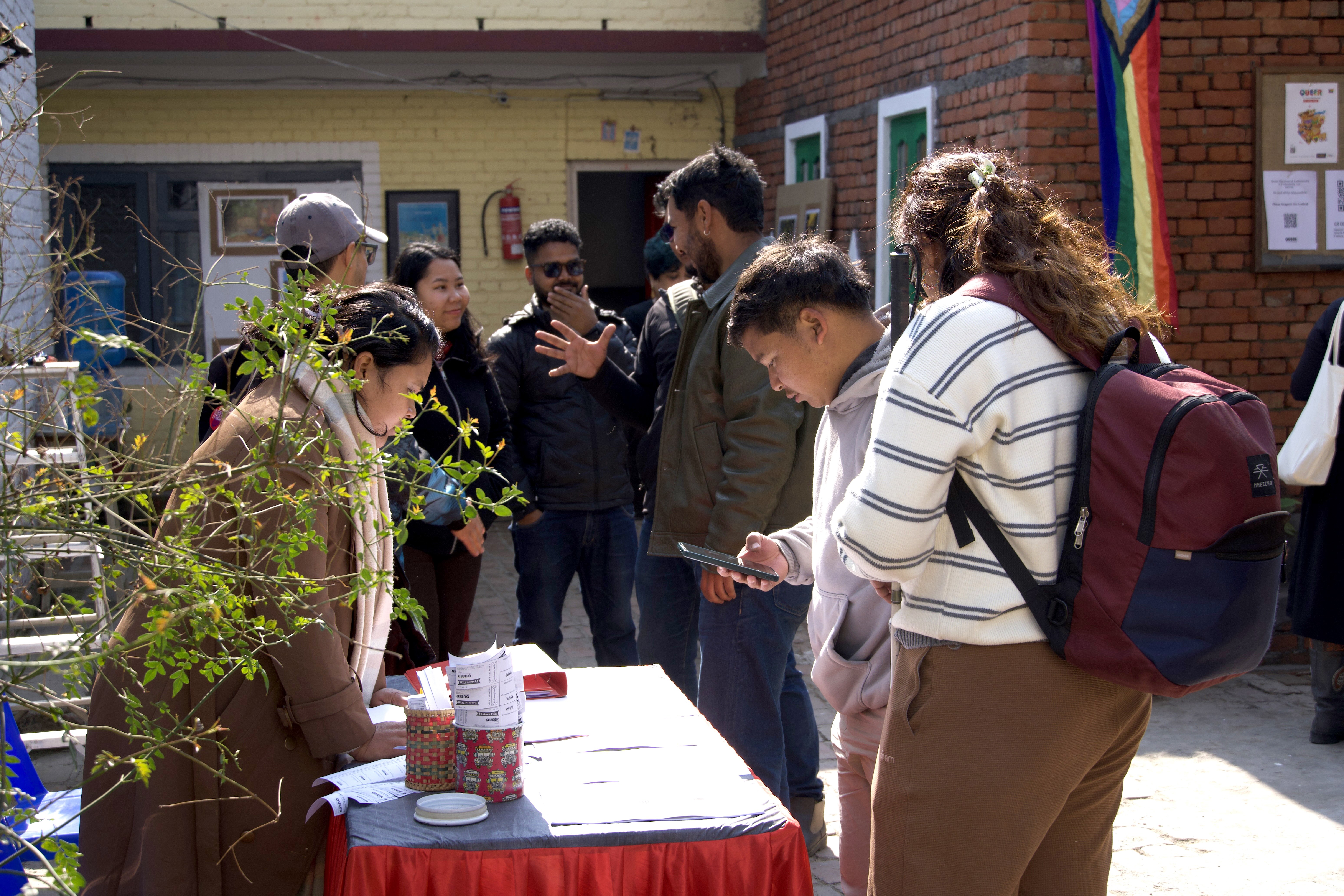
If you're organising an event in a community you don't know well, local partners should be involved from the outset. They understand the sensitivities, know which approaches are appropriate and often have relationships with people and organisations that an external festival team wouldn't otherwise reach.
This is particularly relevant when organising festivals around issues such as LGBTQI+ rights in countries where these rights are not legally recognised or protected. International organisations may have the resources to organise an event, but local partners can help ensure that it is relevant, respectful and safe for the people it aims to reach.
Take time to establish trust before announcing plans. Listen to local concerns and involve community representatives in decisions about the format, programme and communication. Their input should carry real weight, particularly when it comes to assessing potential risks. -
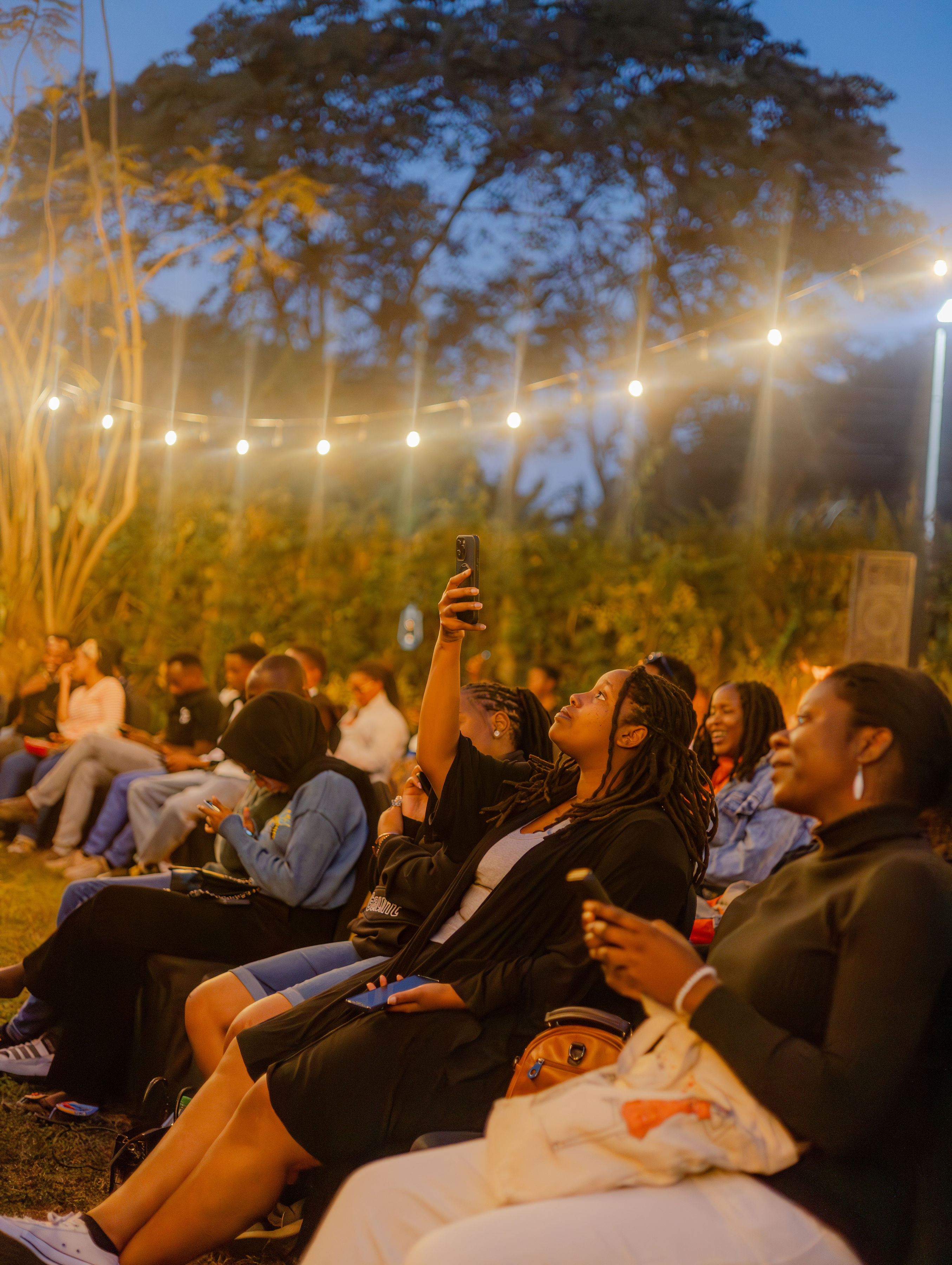
Safety doesn't stop at the entrance to your screening venue. The way you communicate about your festival, share photographs and handle participants' information can also have consequences.
Think carefully about what you publish online. Could a photograph reveal the identity of someone who would prefer to remain anonymous? Could tagging a speaker, filmmaker or partner organisation expose them to unwanted attention? Are you collecting personal information that you don't actually need?
Before taking or publishing photographs and videos, ask for consent and make sure people understand where the material will appear. Consider whether speakers or audience members should be identifiable in your communications. Be equally careful with registration lists, contact details and internal documents, and limit access to people who need that information.
In some contexts, it may also be safer to avoid sharing the exact location or details of an event publicly. Discuss these decisions with local partners and the people involved rather than assuming everyone is comfortable with the same level of visibility. -
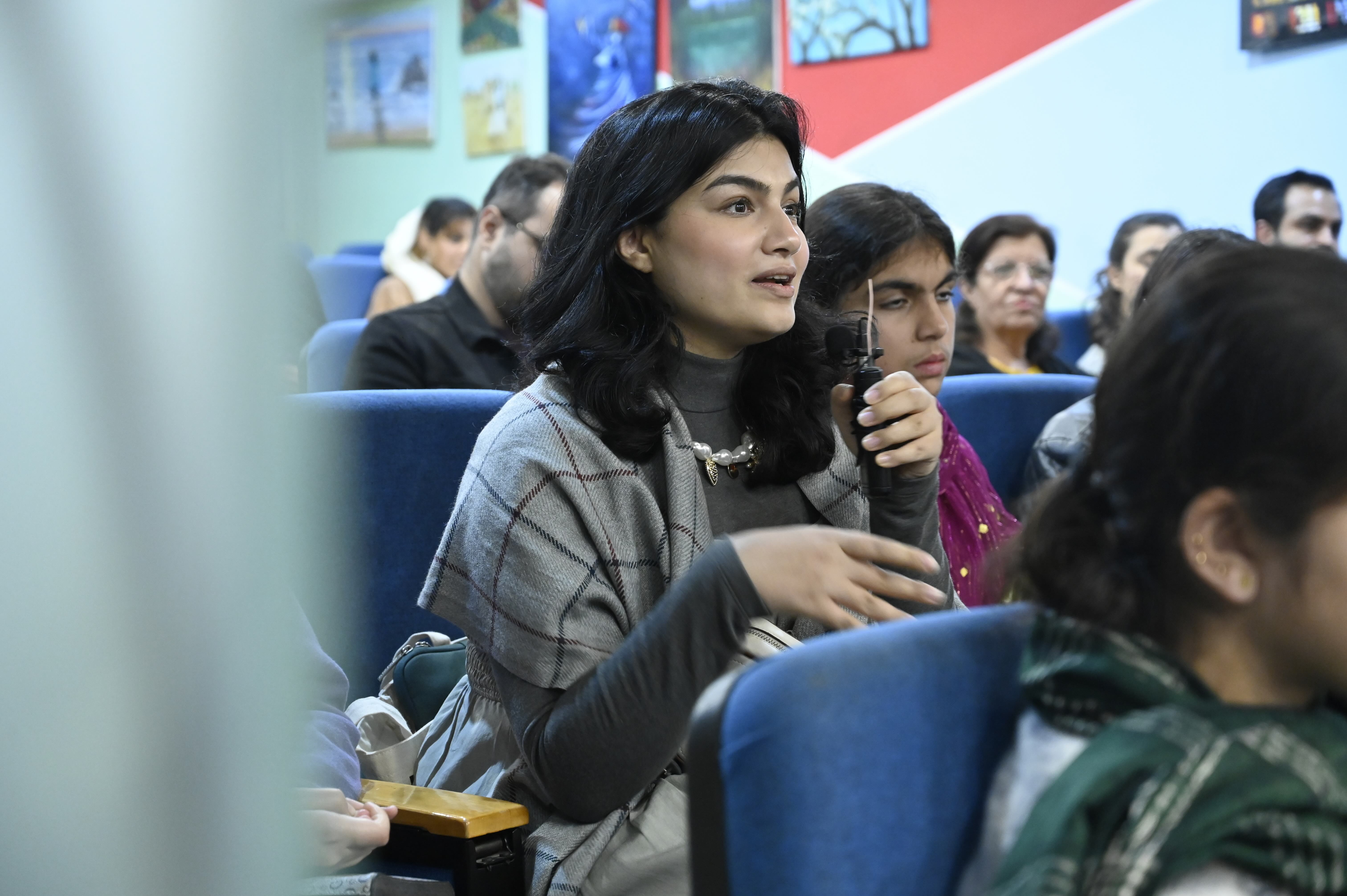
In politically sensitive environments, it's important to know your legal rights and obligations before organising an event.
One of our grantees recommends having legal representation available throughout the event. Depending on the local situation, this could mean having a lawyer on call or arranging for legal support to be present in person.
Find out what permissions or registrations may be required, what restrictions apply to public gatherings and what your rights are if authorities intervene. Make sure the organising team knows who to contact if legal questions or problems arise.
It's also worth establishing these contacts well before the event. Trying to find legal assistance in the middle of a difficult situation is far from ideal. -
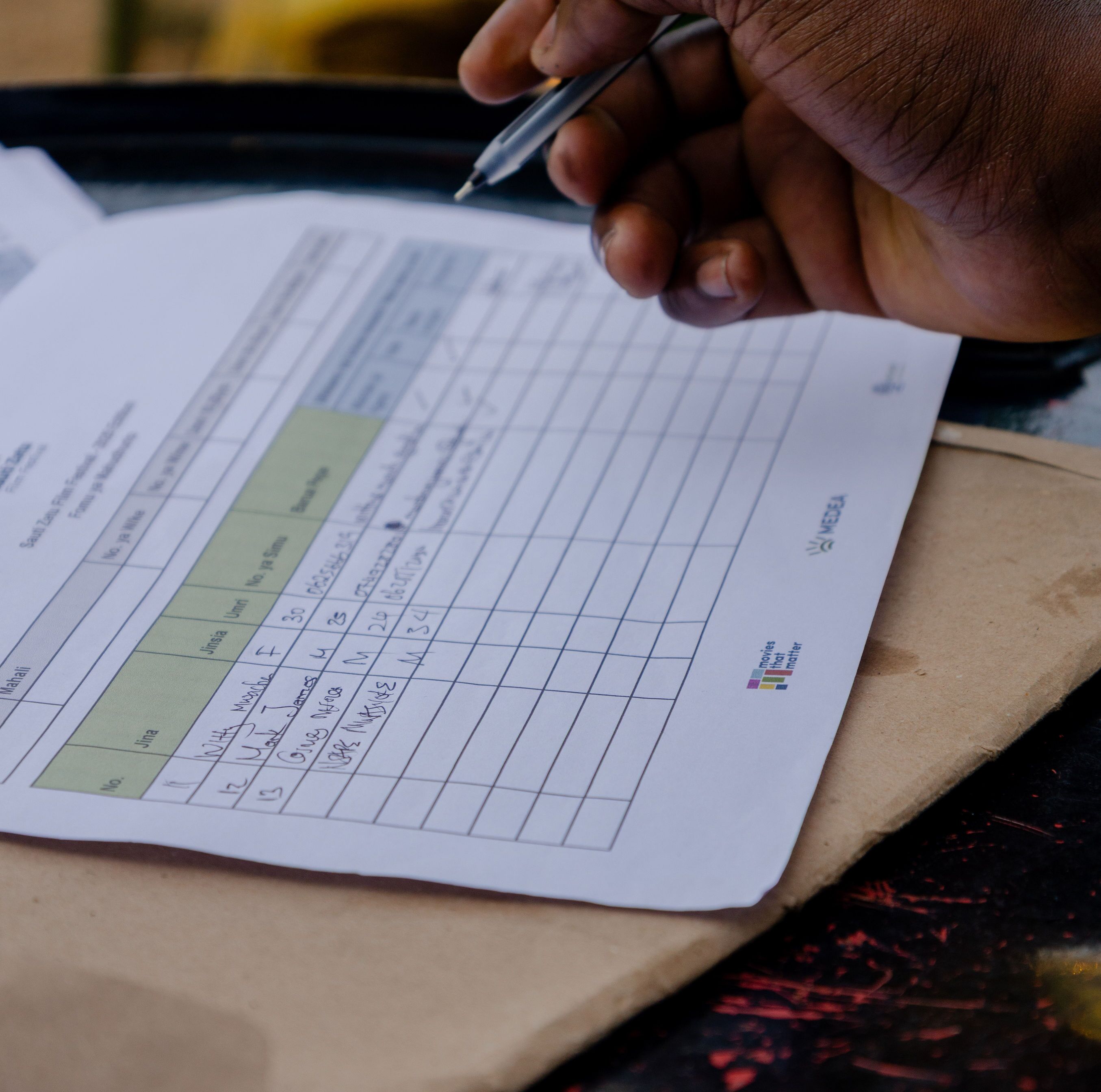
Even with careful preparation, things can change at short notice. A venue may withdraw, a speaker may cancel or the political situation may shift in the days leading up to your festival.
Think through possible scenarios in advance. Can you move a screening to another venue? Is there an alternative format? Can you adjust the programme without losing its main purpose?
One grantee shared how preparing for last-minute changes helped them save their project. Having alternatives in place meant they could respond quickly without having to abandon the programme altogether.
Make sure your team knows which decisions can be made on the spot and which require further consultation. And if a change is necessary for someone's safety, be prepared to make it. -
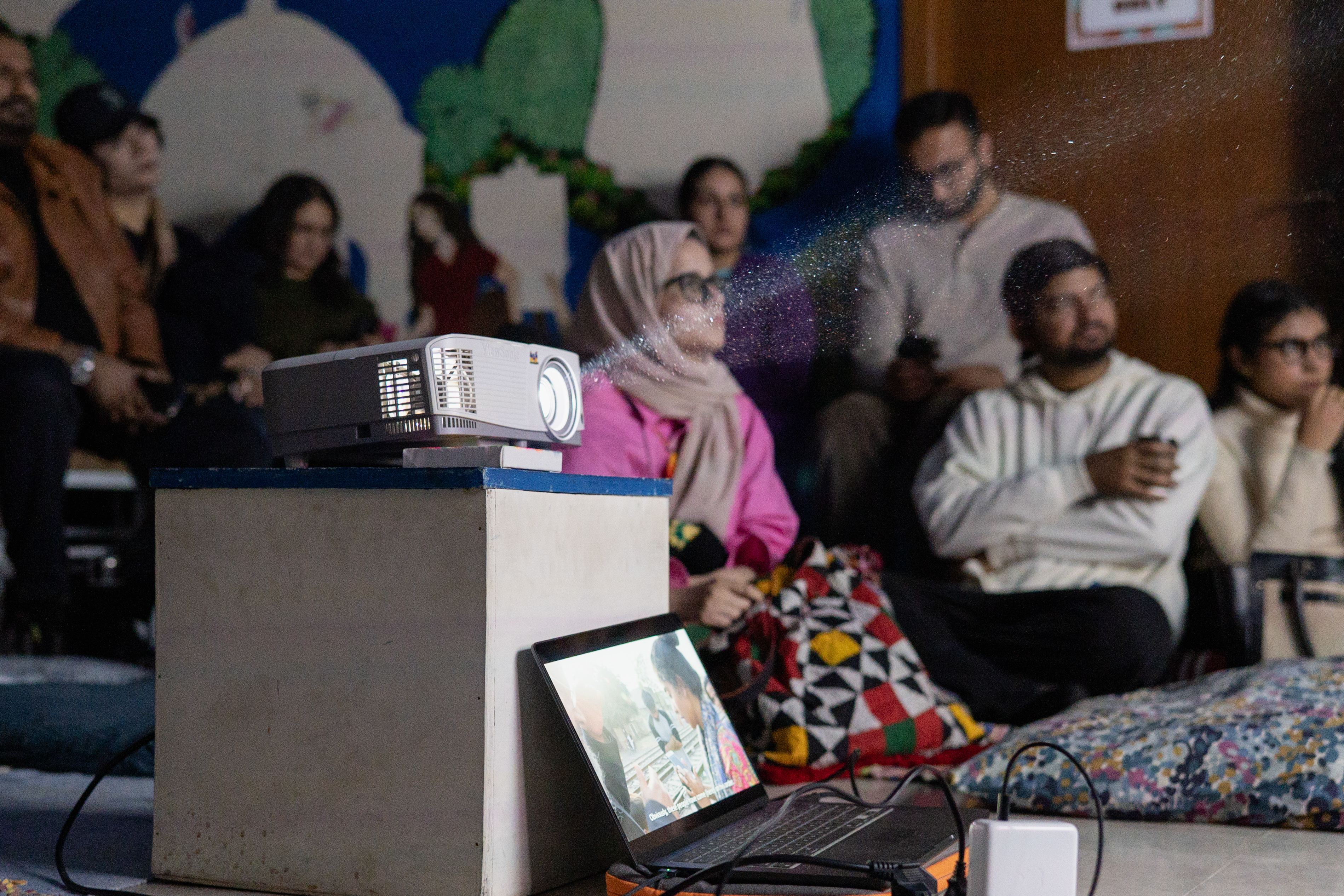
In places where censorship is increasing and freedom of expression is under pressure, organising a human rights film festival can become increasingly difficult. Independent cultural organisations may face restrictions, political pressure or attempts to silence the stories they want to share.
One of our grantees points to Iranian cinema as an example of how filmmakers continue to find ways to tell important stories despite censorship and oppression. Sometimes this requires a different approach, careful planning or diplomacy. The format may change, but the commitment to social, political and economic justice remains.
This is an important distinction: adapting how you organise an event doesn't have to mean compromising on why you organise it in the first place.
Know what your festival stands for, and let those values guide your decisions. Being responsible about safety and taking the local circumstances seriously are not obstacles to your mission. They're part of making sure you can continue it. -
There are many resources available to help filmmakers, festival organisers and journalists navigate safety and security challenges. From practical guides on protecting yourself against online harassment to advice on legal support and insurance, these resources can help you prepare for different situations and make informed decisions. Explore our Resources for Safety & Security page for a selection of guidebooks, tools and organisations that offer further support.
Read more
Tips from Our Grantees: Build Your Festival Dream Team
What’s the one piece of advice you’d share with someone organising a human rights film festival? We posed this question to our past grantees: experienced organisers who’ve navigated the challenges, triumphs, and unexpected moments that come with creating spaces for powerful human rights stories.
Discover their top tips for building your dream team in the first post of this new series!
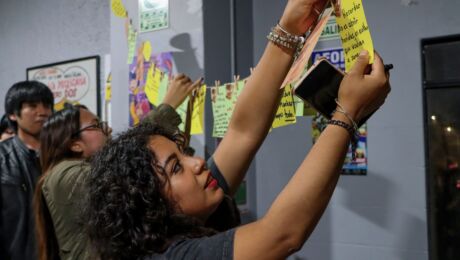
Tips from Our Grantees: Programme with Purpose
What’s the one piece of advice you’d share with someone organising a human rights film festival? We posed this question to our past grantees: experienced organisers who’ve navigated the challenges, triumphs, and unexpected moments that come with creating spaces for powerful human rights stories.
In this second article of our series, we explore one of the most important elements of any human rights film festival: your programme.
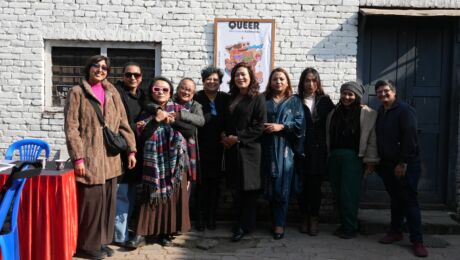
Tips from Our Grantees: Find Your Festival Allies
What’s the one piece of advice you’d share with someone organising a human rights film festival? We posed this question to our past grantees: experienced organisers who’ve navigated the challenges, triumphs, and unexpected moments that come with creating spaces for powerful human rights stories.
For the third installment in our series, we’re looking at partnerships.